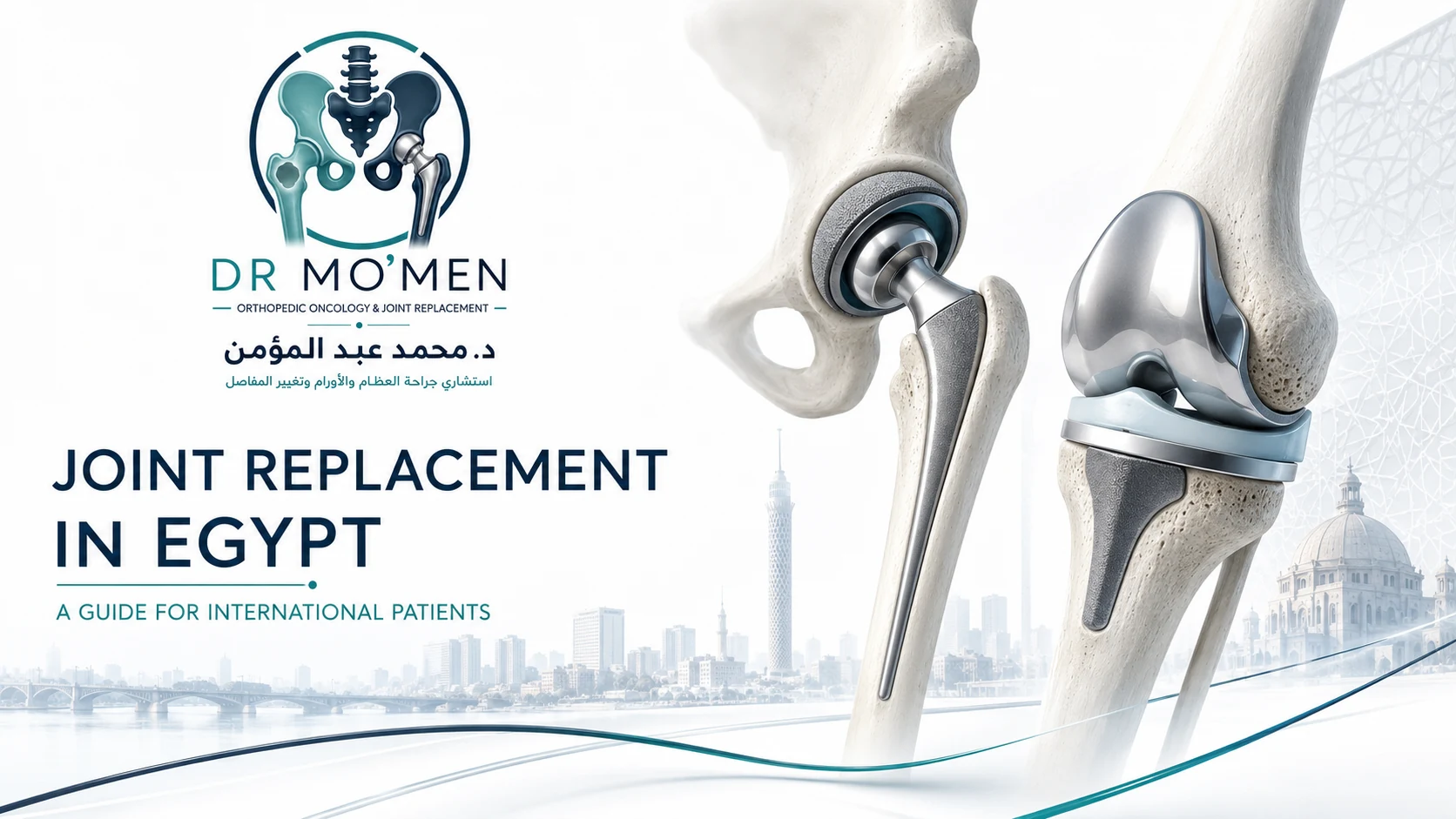
Direct answer: International patients considering hip or knee replacement in Egypt should first confirm the diagnosis and indication for surgery, then review implant choice, hospital pathway, likely costs, rehabilitation, travel timing and follow-up. A preliminary review of X-rays, reports and previous operation records can help decide whether specialist assessment in Cairo is reasonable before arranging travel.
Living with severe hip or knee pain can gradually affect walking, sleeping, climbing stairs, working, exercising, travelling and simple activities around the home. For patients living outside Egypt, another question may eventually arise: should I consider travelling to Cairo for joint replacement surgery?
The answer should never depend on price alone. Before choosing a country, hospital, implant or surgeon, the first question is whether joint replacement is actually the right treatment for your condition. The second is whether the procedure can be planned safely, with a clear understanding of the implant, hospital requirements, rehabilitation, potential risks and follow-up after returning home.
Why Do International Patients Consider Joint Replacement in Egypt?
Patients travel for orthopedic treatment for many different reasons. Some are looking for another medical opinion after being advised to undergo major surgery. Others have complex conditions that require a surgeon experienced in revision reconstruction or difficult joint replacement.
- Access to specialist orthopedic assessment
- Obtaining a second opinion before major surgery
- Evaluation of failed or painful previous joint replacements
- Access to established hip and knee replacement techniques
- Potentially different treatment costs compared with another country
- The ability to review imaging and medical records before travelling
- Planning surgery, hospitalization, rehabilitation and follow-up as one coordinated pathway
However, a lower quotation is not automatically a better treatment option. The quality of clinical decision-making, appropriateness of the indication for surgery, implant selection, surgical planning, hospital standards, postoperative care and follow-up arrangements are more important than choosing a destination based on price alone.
Do You Actually Need a Joint Replacement?
An X-ray showing arthritis does not automatically mean that a patient needs joint replacement surgery. The decision usually depends on several factors considered together.
- Severity and location of pain
- How much symptoms interfere with walking and daily activities
- Clinical examination findings
- Degree of joint damage on imaging
- Deformity or loss of movement
- Response to appropriate non-surgical treatment
- General medical condition
- Age and activity requirements
- Patient expectations and treatment goals
For some patients, non-operative treatments may still have a role. Depending on the diagnosis, these can include appropriate exercise, physiotherapy, weight management, modification of aggravating activities, walking aids and selected medications or injections. Other patients may already have advanced joint destruction and major functional limitation despite reasonable conservative treatment.
Do I Really Need Surgery?
A second opinion can be particularly valuable before an irreversible procedure such as total hip or knee replacement. It may help answer questions such as:
- Is my pain actually coming from the joint?
- Is the arthritis severe enough to explain my symptoms?
- Are there reasonable alternatives?
- Would replacement predictably address the main problem?
- Is this the correct timing for surgery?
- Is a partial or total replacement appropriate?
- Is there a more complex deformity that changes the surgical plan?
- Does my previous surgery alter the reconstruction strategy?
Patients who have already been advised to undergo major orthopedic surgery can consider requesting an orthopedic second opinion before major surgery before making travel or treatment arrangements.
Hip Replacement in Egypt
Total hip replacement is commonly considered when significant structural damage of the hip causes persistent pain and functional limitation that can no longer be adequately controlled with appropriate non-operative treatment.
- Advanced hip osteoarthritis
- Avascular necrosis of the femoral head
- Selected fractures of the hip
- Inflammatory arthritis
- Post-traumatic joint destruction
- Some developmental or structural hip disorders
- Failure of a previous hip procedure
- Failure of an existing hip replacement requiring revision surgery
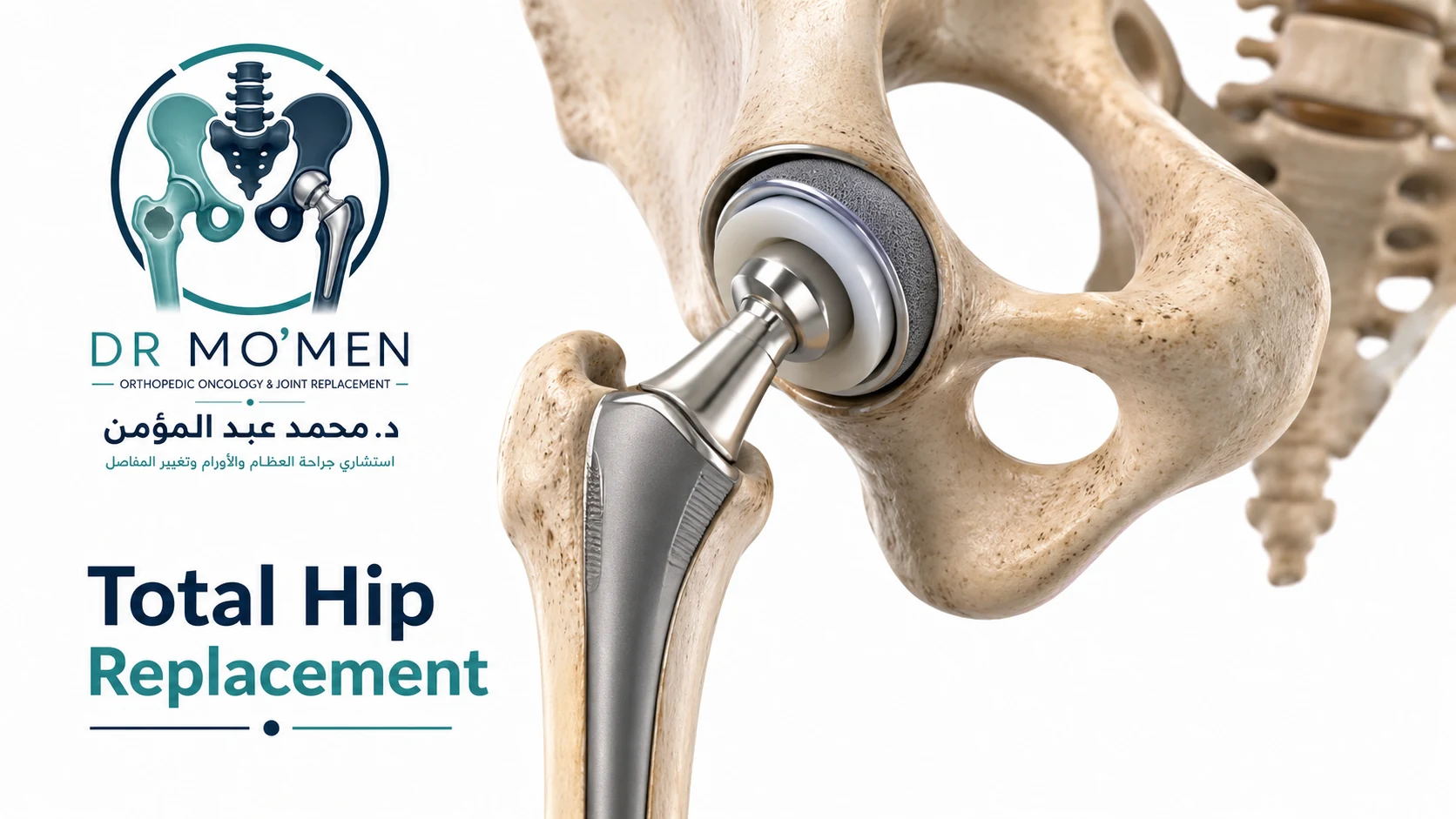
During total hip replacement, the damaged femoral head and the diseased articular surface of the acetabulum are replaced with prosthetic components. Modern hip replacement involves several decisions, including implant fixation, femoral component design, acetabular component, bearing surface, head size, reconstruction of leg length and offset, and management of bone deficiency when present.
These decisions should be individualized. Ceramic components may be appropriate for some patients, but ceramic is not automatically the best bearing choice for every patient. Age, activity, anatomy, bone quality, diagnosis, implant design, previous surgery and the surgeon’s reconstruction strategy all matter.
Patients with avascular necrosis can also read the dedicated AVN of the femoral head guide to understand when joint-preserving treatment may still be possible and when replacement becomes more reasonable.
Knee Replacement in Egypt
Knee replacement is generally considered for patients with advanced knee joint disease causing significant pain, stiffness, deformity or loss of function.
- Advanced osteoarthritis
- Significant varus or valgus deformity
- Inflammatory arthritis
- Post-traumatic arthritis
- Severe functional limitation despite appropriate non-operative treatment
- Failure of previous knee surgery
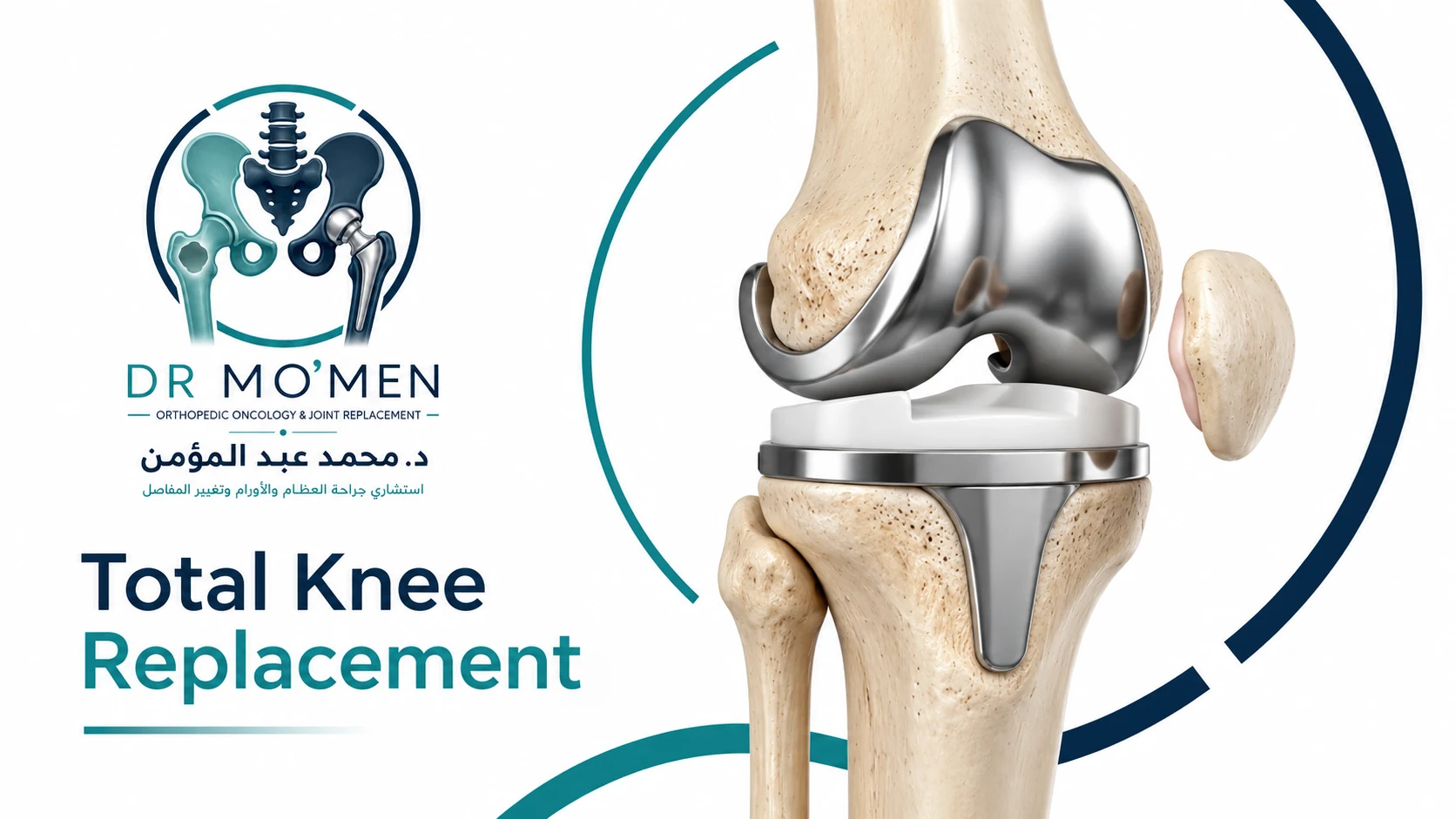
Total knee replacement
In total knee replacement, damaged articular surfaces are resurfaced using prosthetic components designed to restore alignment, stability and functional movement. Surgical planning includes much more than simply “putting in a new knee.” The surgeon must assess mechanical alignment, ligament stability, bone quality, deformity, range of movement, previous incisions, previous implants, bone defects and extensor mechanism function.
Partial knee replacement
Some carefully selected patients with arthritis limited to one compartment may be candidates for partial knee replacement. It is not appropriate for every arthritic knee. The decision depends on the distribution of arthritis, ligament function, deformity, symptoms, examination findings, imaging and patient-specific factors.
Revision knee replacement
A knee replacement that has become painful, unstable, infected, loose, worn, fractured or poorly functioning may require a much more complex evaluation. Revision surgery is a different category of reconstruction from routine primary knee replacement and may require specialized implants, stems, augments, cones or other methods to address bone and soft-tissue deficiency.
What Determines the Cost of Hip or Knee Replacement in Egypt?
One of the most frequent questions from international patients is: “How much will the operation cost?” There is no medically meaningful single universal price for hip or knee replacement. A proper quotation should reflect the actual procedure and the patient’s individual requirements.
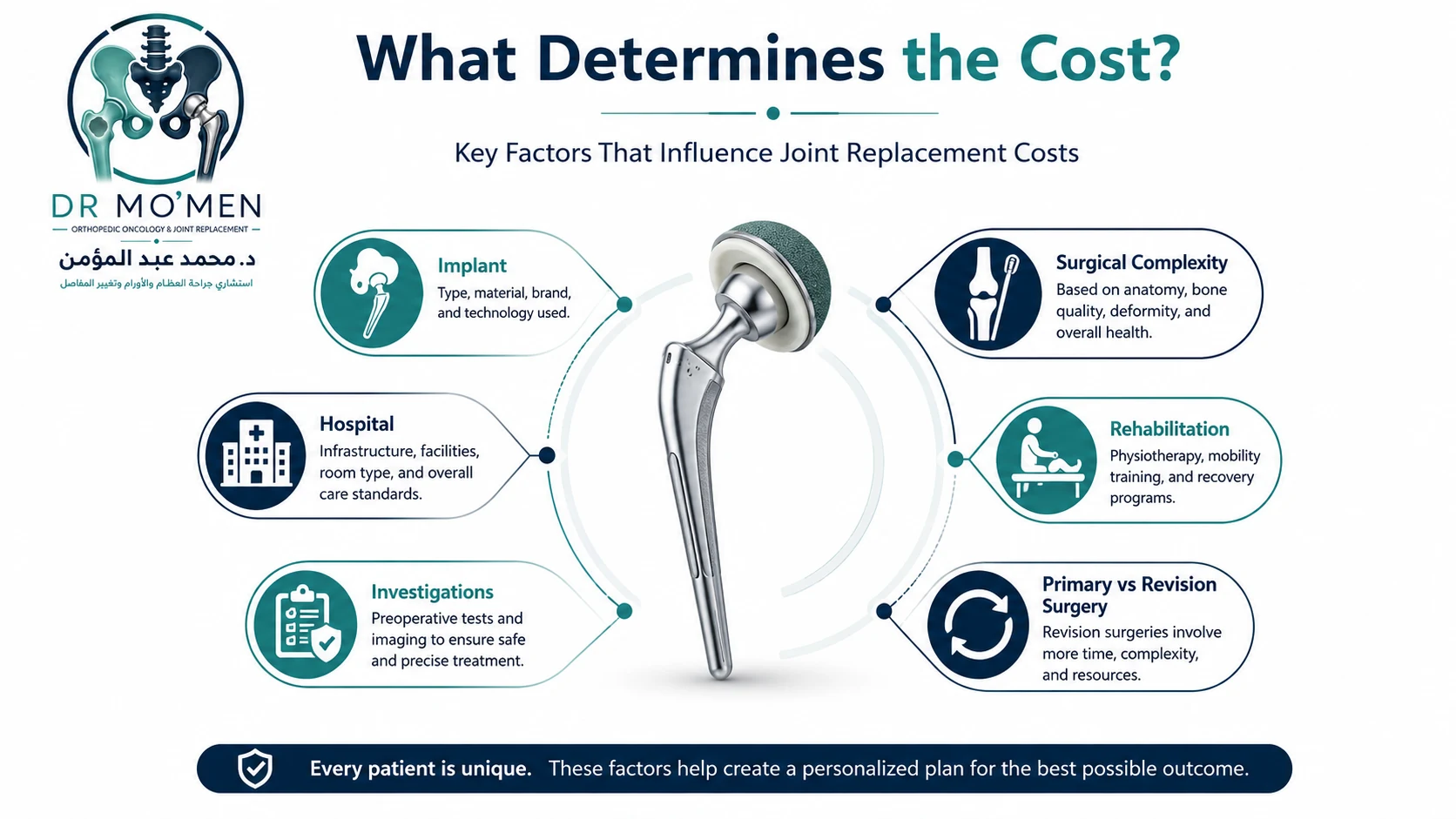
1. Implant
- Hip versus knee replacement
- Primary versus revision implant
- Manufacturer and implant system
- Bearing surface
- Fixation method
- Standard versus specialized components
- Additional stems, augments, cones or other reconstruction devices
2. Hospital
- Facility and operating theatre requirements
- Inpatient room and nursing requirements
- Number of hospital nights
- Medications and consumables
- Postoperative monitoring
3. Surgeon, anaesthesia and investigations
The surgical component of the quotation may include professional fees related to the surgeon and operative team. Anaesthetic planning depends on the operation and the patient’s medical condition. Preoperative investigations may include laboratory testing, radiographs and selected additional investigations based on age, health status, diagnosis and planned procedure.
4. Length of stay, rehabilitation and complexity
Length of hospital stay depends on the type of surgery, mobility, pain control, medical condition, wound status, rehabilitation progress and any complication requiring further care. Revision replacement, severe deformity, previous surgery, bone defects, contracture, previous fractures or abnormal anatomy can substantially change the pathway and cost.
Implant cost is not the same as total treatment cost
Implant cost ≠ hospital cost ≠ total treatment package. Before comparing quotations between centers or countries, international patients should make sure that they are comparing like with like. A very low number may represent only one component of treatment rather than the complete surgical pathway.
What Should an International Patient Ask About the Quotation?
- Which implant system is being considered?
- Is the implant included in the quotation?
- Does the hospital fee include the operating room?
- How many inpatient nights are included?
- Are routine preoperative investigations included?
- Are postoperative medications included?
- Is physiotherapy included?
- Are surgeon and anaesthesia fees included?
- What happens if the hospital stay needs to be extended?
- If revision components are required, are they included?
- Is postoperative follow-up included?
- What costs could reasonably change after the final clinical assessment?
The aim is not necessarily to obtain the cheapest quotation. The aim is to understand exactly what treatment is being proposed and what the quotation represents.
Which Joint Replacement Implant Is Best?
Patients frequently ask for a particular implant brand or material because they have read about it online. There is no single implant that is universally best for every patient. Implant selection should consider diagnosis, patient age, activity level, anatomy, bone quality, severity of deformity, previous operations, primary versus revision surgery, implant design, established clinical track record, availability of suitable sizes and components, and the surgeon’s familiarity with the system.
For hip replacement, the decision also includes the bearing combination and fixation strategy. For knee replacement, different implant levels of constraint may be required depending on ligament function, deformity, bone loss and revision status. The correct question is usually not “What is the most expensive implant?” but “Which reconstruction is most appropriate for my anatomy and diagnosis?”
Primary vs Revision Joint Replacement
Revision arthroplasty deserves separate consideration because it can be substantially more complex than primary joint replacement. Reasons for evaluating a previous replacement include:
- Implant loosening
- Suspected infection
- Recurrent dislocation
- Instability
- Implant wear
- Fracture around the prosthesis
- Significant bone loss
- Component malposition
- Stiffness
- Persistent unexplained pain
Before revision surgery, additional planning may be needed, including previous operative reports, details of the original implant, implant identification cards, serial X-rays, selected CT imaging, infection investigations, assessment of bone loss and soft tissues, and neurovascular evaluation when appropriate.
How the International Patient Journey Can Work
Send Records → Specialist Review → Preliminary Plan → Travel if Appropriate → Examination → Final Treatment Decision → Surgery → Rehabilitation → Follow-up

Step 1 — Send your medical records
Before booking a flight, international patients can provide available medical information for preliminary review. Useful records may include recent X-rays, CT or MRI where relevant, previous medical reports, operative reports, implant cards, hospital discharge summaries, laboratory investigations, medication list and relevant medical history.
For revision surgery, previous operative records and implant information can be particularly valuable. You can send your X-rays before you travel to determine whether further specialist evaluation in Cairo may be appropriate.
Step 2 — Preliminary specialist review
A preliminary review may help determine whether imaging appears consistent with advanced joint disease, whether additional X-rays are required, whether joint replacement appears reasonable to discuss, whether the case is more complex than a standard primary replacement, whether infection should be excluded before revision surgery, and whether travelling to Cairo for specialist assessment is appropriate.
Remote review has limitations. It does not replace physical examination, and it cannot guarantee that surgery will be advised after arrival.
Step 3 — Planning before travel
If travel appears reasonable, preparation may include checking medical fitness, reviewing chronic medical conditions and medications, obtaining appropriate preoperative investigations, planning accommodation, estimating hospital and rehabilitation requirements, determining whether a companion will be needed, and planning sufficient time in Egypt before the return journey.
Patients taking anticoagulants, cardiac medications, diabetic medications or other important treatments should not stop or change them independently. Medication adjustments should be individualized by the relevant treating medical team.
Step 4 — Clinical examination in Cairo
The final diagnosis and surgical plan should be confirmed after arrival through full history, clinical examination, review of imaging, additional radiographs where needed, appropriate laboratory investigations, assessment of walking and joint function, and medical and anaesthetic evaluation.
Step 5 — Surgery, hospital stay and rehabilitation
If joint replacement is confirmed as the appropriate treatment, the operation is planned according to the diagnosis and patient-specific factors. Hospital stay varies according to procedure, medical condition and early postoperative recovery. Rehabilitation usually includes progressive mobilization, physiotherapy, exercises, wound care, pain management and gradual transition toward daily activities.
Step 6 — Returning home and follow-up
International patients should not book their return flight based only on an advertised postoperative timeline. Fitness to travel depends on the operation, wound condition, ability to walk safely, need for walking aids, medical status, risk of venous thromboembolism, flight duration, assistance availability, postoperative progress and the treating surgeon’s assessment.
A clear follow-up plan should be agreed before leaving Egypt. Remote follow-up can support continuity of care, but urgent postoperative problems should be assessed locally without delay.
How Long Should You Stay in Egypt After Joint Replacement?
There is no single correct answer for every international patient. The appropriate period depends on hip versus knee surgery, primary versus revision replacement, age, medical condition, mobility, wound healing, rehabilitation progress, flight distance, availability of care at home, complications and individual thromboembolic risk.
A patient undergoing uncomplicated primary replacement may have a very different travel plan from someone having complex revision reconstruction. International patients should ideally avoid purchasing inflexible return arrangements until the clinical pathway is sufficiently clear.
What Should You Send Before Booking a Flight?
- Recent hip or knee X-rays
- Standing knee X-rays where relevant
- Pelvic and hip radiographs where relevant
- MRI or CT if already performed
- Medical reports and previous surgical reports
- Implant card or implant name if available
- Previous hospital discharge documents
- Recent blood tests where relevant
- Current medication list
- Major chronic medical conditions
- History of previous blood clots or infections
- Allergies
- A brief description of symptoms, walking distance, stair difficulty and sleep disturbance
- Previous treatments and their effect
Do not undergo unnecessary expensive investigations solely for online review unless they have been specifically requested.
Where Is the Clinic?
The clinic is located at 50 El Hegaz Street, Heliopolis, beside Heliopolis Metro Station, Raya & Samsung building, 2nd floor, Cairo, Egypt. International patients considering assessment in Cairo can first send their available imaging and reports for preliminary review before arranging travel.
International contact: +20 102 1690693
Within Egypt: 01021690693
Warning Signs That Need Urgent Local Medical Assessment
Patients who have recently undergone joint replacement should not wait for an online response if they develop potentially serious symptoms. Seek urgent local medical assessment for symptoms such as:
- Chest pain
- Sudden shortness of breath
- Marked or rapidly increasing calf swelling
- Significant wound discharge
- Rapidly spreading redness around the surgical wound
- Persistent high fever
- Sudden severe increase in joint pain
- Inability to bear weight after a new injury
- New weakness or numbness
- A cold, pale or poorly perfused limb
- Acute confusion or severe general deterioration
An online message is not an appropriate substitute for emergency assessment.
Why Complex Cases May Benefit From Specialist Review
Not every hip or knee replacement case is routine. Specialist evaluation is particularly valuable when there is a failed previous replacement, more than one previous operation, suspected implant infection, major bone loss, recurrent hip dislocation, significant instability, severe deformity, fracture around a joint replacement, unusual anatomy, unexplained pain after replacement, disagreement between previous medical opinions or uncertainty about whether surgery is actually necessary.
About Dr. Mohammed Abdelmoemen Abuelhadid
Dr. Mohammed Abdelmoemen Abuelhadid is an Orthopedic Oncology & Joint Replacement Surgeon and Lecturer of Orthopedic Surgery at Ain Shams University. His clinical work includes orthopedic oncology, bone and soft-tissue tumors, limb-salvage surgery, joint replacement, complex joint reconstruction, revision hip and knee arthroplasty, management of complex orthopedic cases and specialist orthopedic second opinions.
For international patients, the purpose of preliminary review is not to promise surgery before travel. It is to understand the case, review available imaging and reports, identify missing investigations where possible, and determine whether specialist assessment in Egypt would be reasonable.
Send Your X-Rays Before You Travel
International patients may send their available X-rays, scans, medical reports and previous treatment records for preliminary specialist review before deciding whether travelling to Cairo is appropriate.
+20 102 1690693
International Patients → Request an Orthopedic Second Opinion →
Frequently Asked Questions
How much does hip replacement cost in Egypt?
There is no single universal price for total hip replacement. The final quotation depends on the implant, hospital, type of fixation, bearing choice, medical requirements, length of stay, investigations, and whether the procedure is primary or revision surgery. International patients should request a case-specific quotation after their imaging and medical information have been reviewed.
How much does knee replacement cost in Egypt?
The total cost varies according to the implant system, hospital, complexity of the knee deformity, medical requirements, rehabilitation needs, and whether primary or revision surgery is required. A quotation should make clear whether the implant, hospital, professional fees, investigations, and rehabilitation are included.
Can I get a quotation before travelling to Egypt?
Often, a preliminary estimate can be discussed after reviewing relevant X-rays, reports, previous surgical records, and medical information. However, the final treatment plan and cost may change after physical examination, updated investigations, or identification of additional surgical requirements.
Which hip or knee implant will be used?
Implant selection is individualized. Factors include diagnosis, anatomy, age, activity level, bone quality, deformity, ligament function, previous surgery, revision requirements, and availability of appropriate components. There is no single implant that is best for every patient.
How long should I stay in Egypt after joint replacement?
The required period varies. The operation, medical condition, wound healing, mobility, rehabilitation progress, flight duration, and risk of postoperative complications must all be considered. The return date should therefore be individualized rather than based on a fixed number of days advertised online.
Can follow-up continue after I return home?
Yes, selected aspects of follow-up may continue remotely when clinically appropriate, particularly discussion of recovery, review of scheduled imaging, and coordination with local rehabilitation. However, urgent symptoms or suspected complications require prompt in-person medical assessment locally.
Should I get a second opinion before joint replacement?
A second opinion can be particularly useful when symptoms and imaging do not clearly match, when surgery has been recommended despite uncertainty, when there is a failed previous replacement, or when complex revision surgery is being considered.
How this article was reviewed
This patient-education article was reviewed for clinical accuracy, patient safety, and decision-making clarity by Dr. Mohammed Abdelmoemen Abuelhadid. It is intended to support, not replace, clinical examination and review of the actual imaging and reports.
Author and medical reviewer
Dr. Mohammed Abdelmoemen Abuelhadid — Orthopedic Oncology & Joint Replacement Surgeon and Lecturer of Orthopedic Surgery at Ain Shams University.
Medical Disclaimer: This article is for patient education and does not replace clinical examination, review of imaging, investigations, or individualized medical advice.