Bone Tumor Biopsy
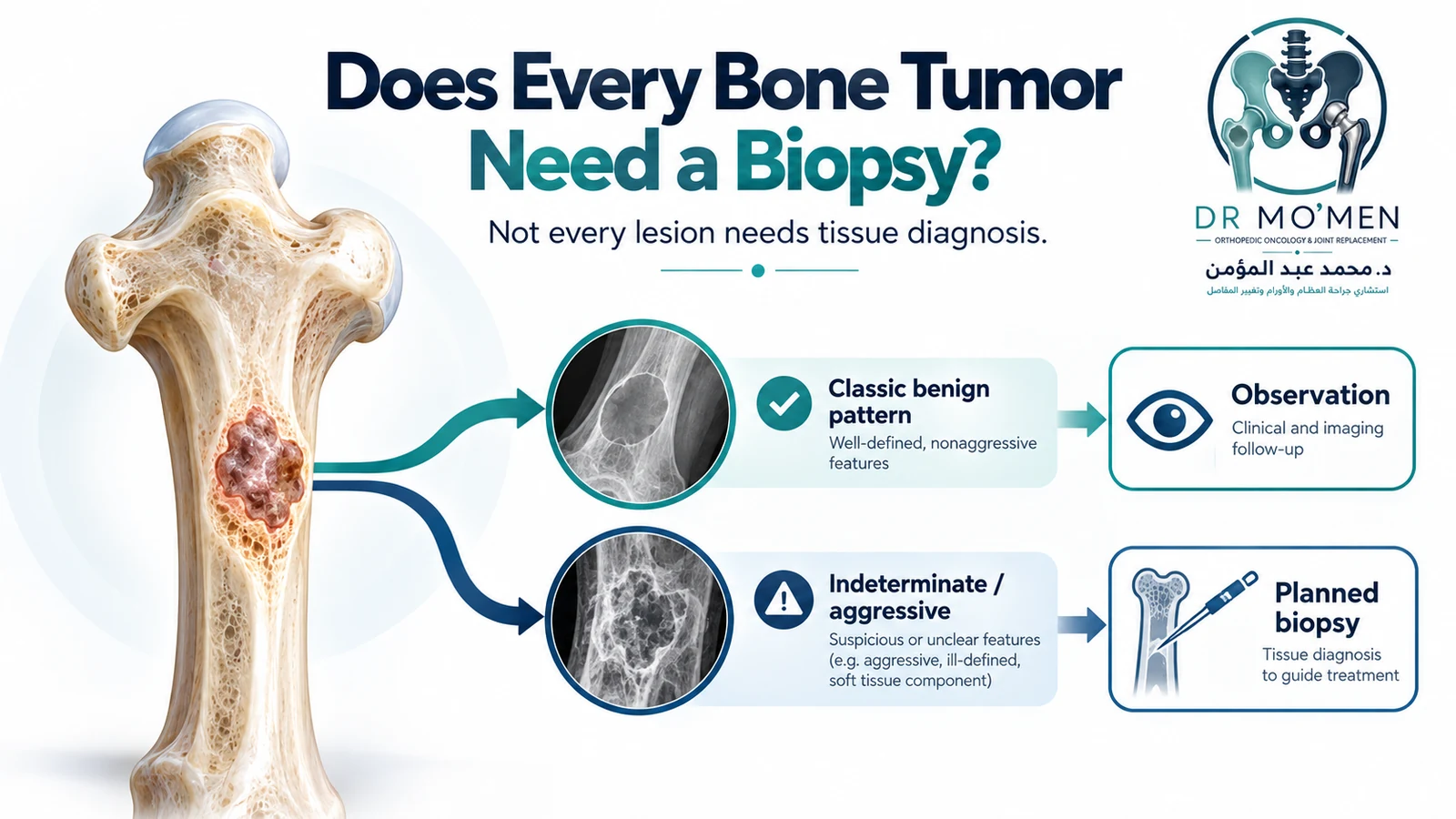
Does Every Bone Tumor Need a Biopsy?
Not every bone lesion needs biopsy. Learn when imaging may be enough, when tissue diagnosis is required, and why bone tumor biopsy must be carefully planned.
Read article →Clear, medically reviewed articles organized by orthopedic oncology, joint replacement, sports injuries, and fractures/general orthopedics.
70 articles available
Not every bone lesion needs biopsy. Learn when imaging may be enough, when tissue diagnosis is required, and why bone tumor biopsy must be carefully planned.
Read article →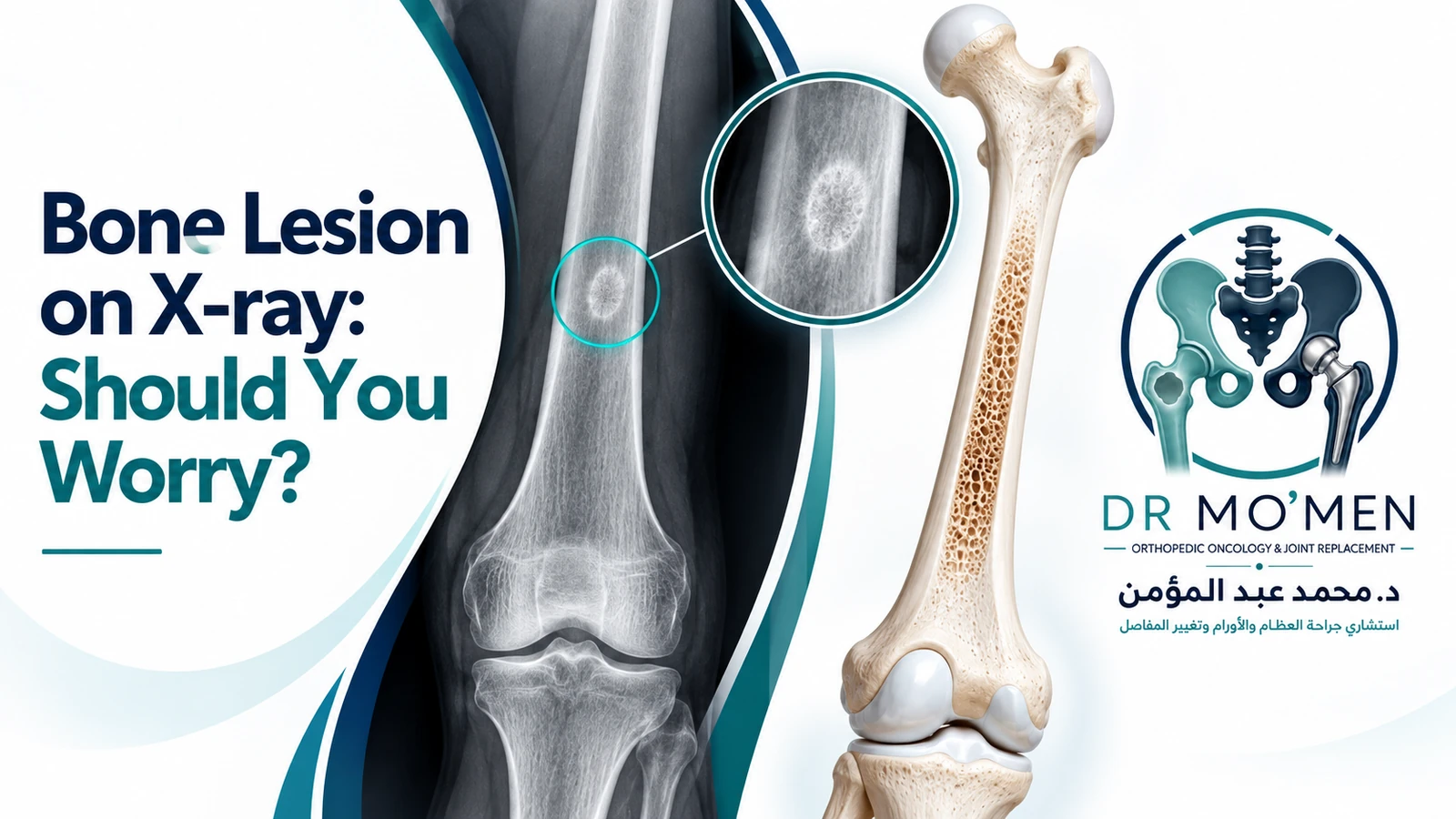
An incidental bone lesion is often benign, but some need MRI, follow-up or biopsy. Learn the warning signs and how specialists decide what comes next.
Read article →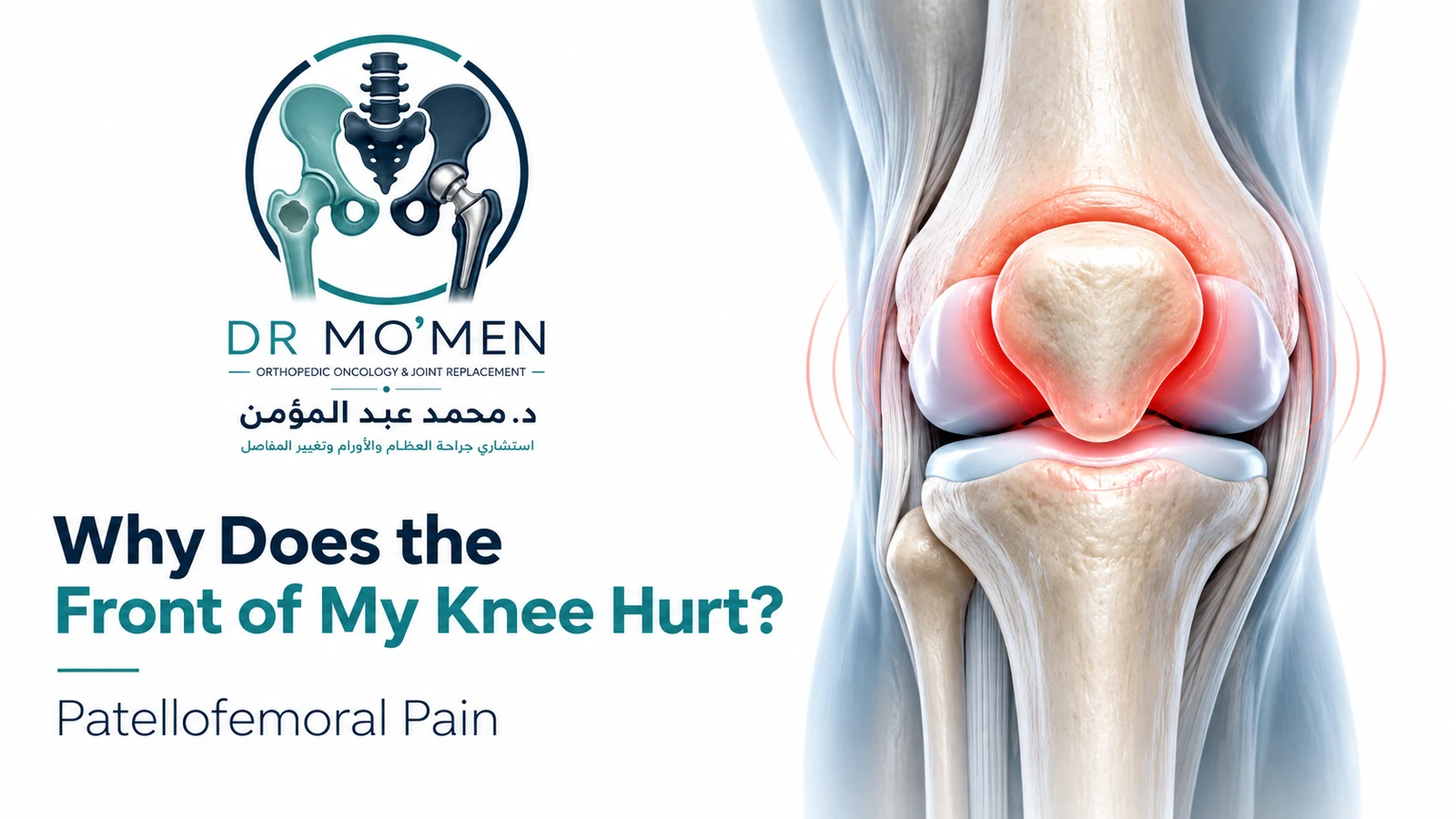
Pain around the kneecap with stairs, squats or running may be patellofemoral pain. Learn diagnosis, imaging, rehabilitation and when specialist review is needed.
Read article →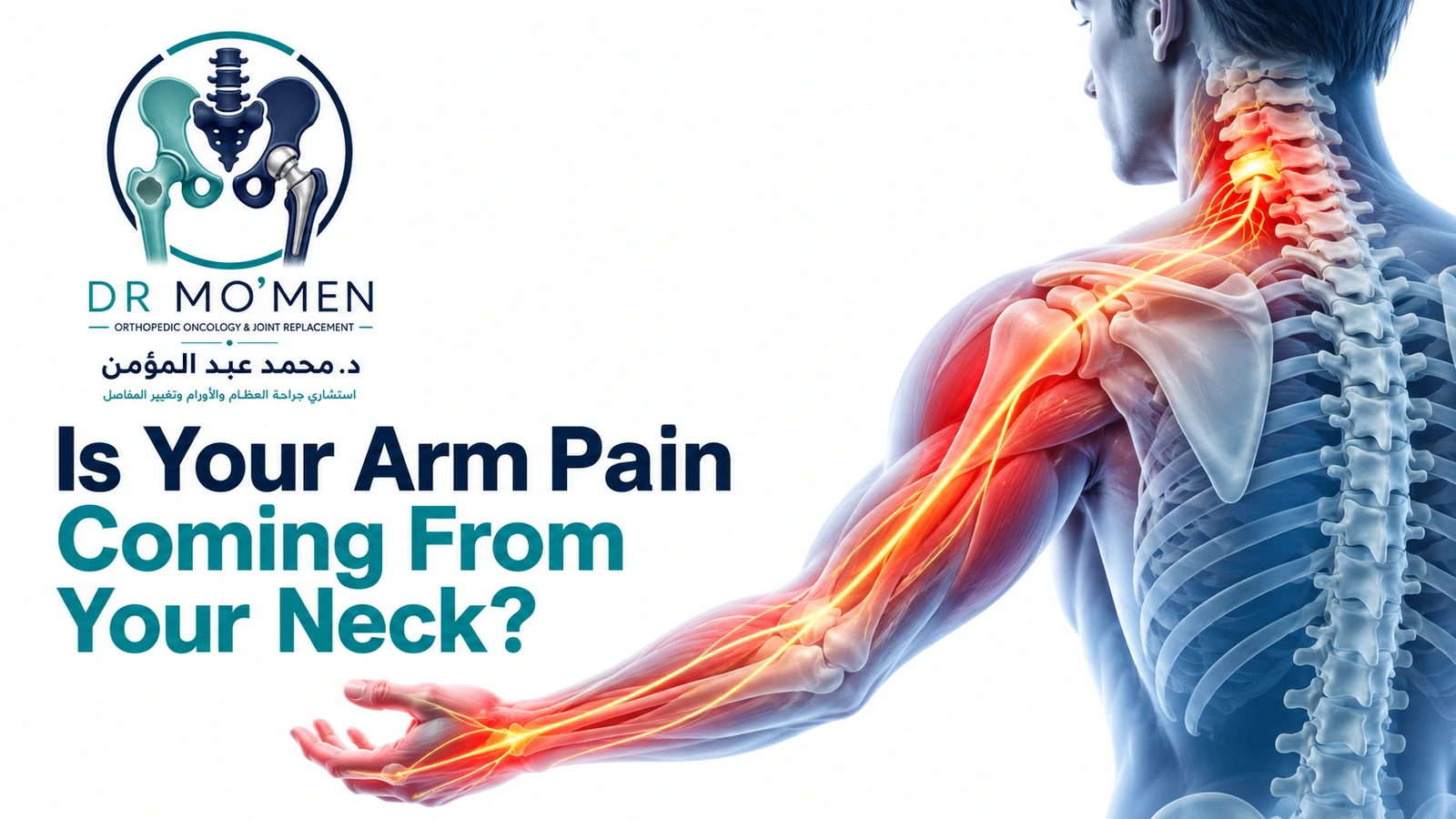
Neck-to-arm pain, numbness or weakness may come from a cervical nerve root. Learn how symptoms, MRI, EMG and treatment decisions are interpreted together.
Read article →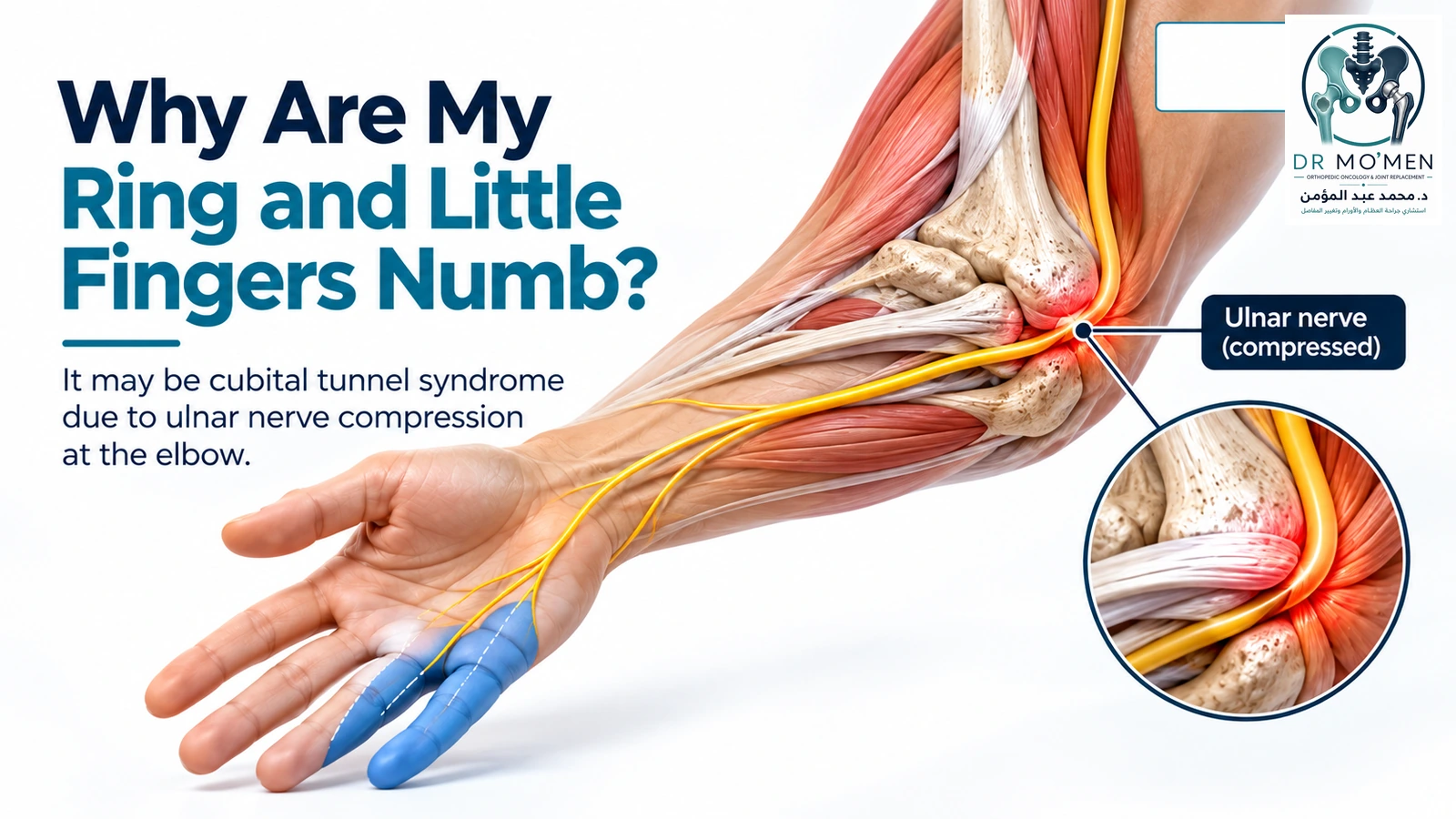
Little- and ring-finger numbness may come from ulnar nerve compression at the elbow. Learn how cubital tunnel syndrome is diagnosed and treated.
Read article →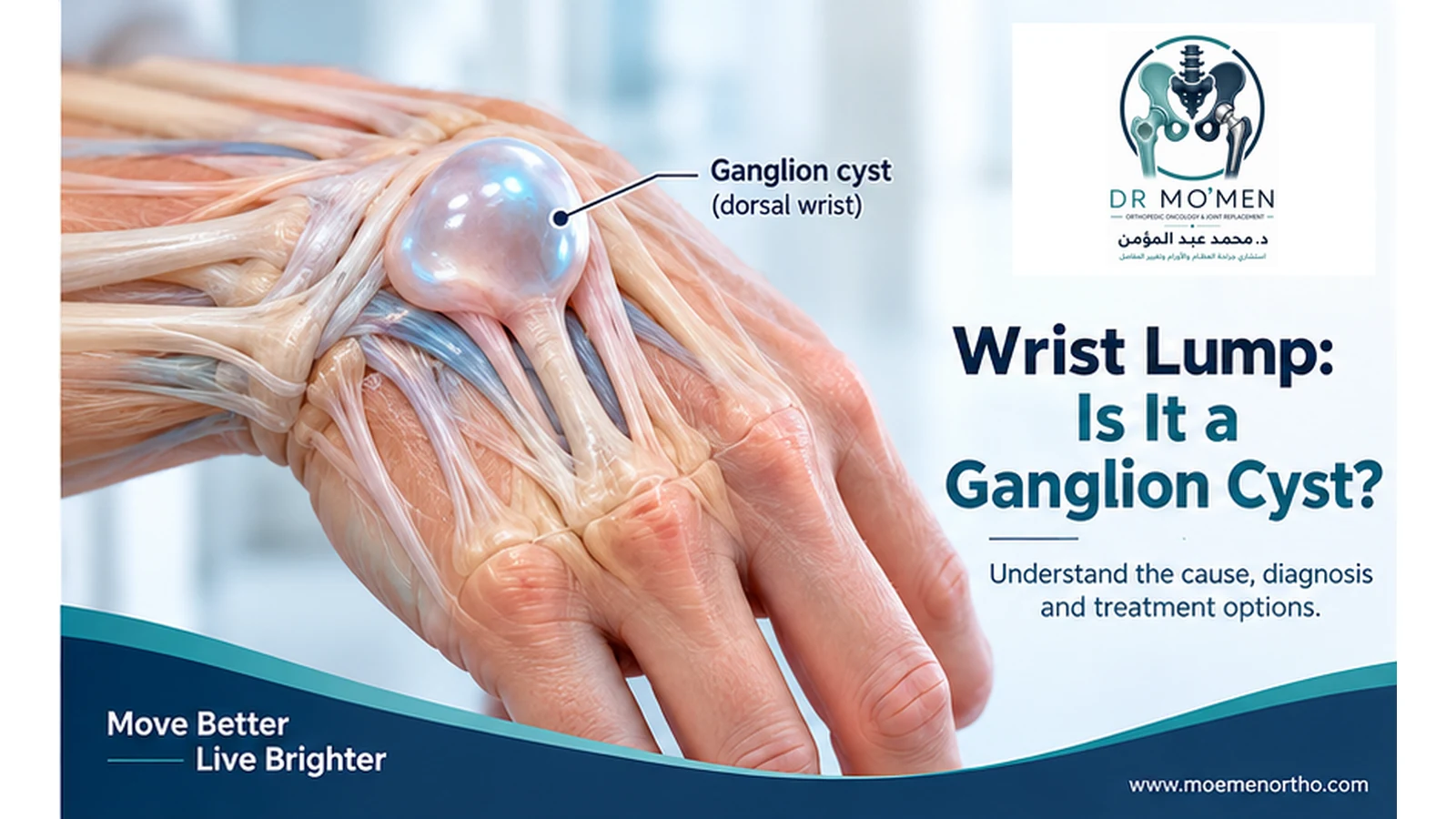
A wrist or hand lump may be a ganglion cyst. Learn when observation, imaging, aspiration, or surgery may be appropriate.
Read article →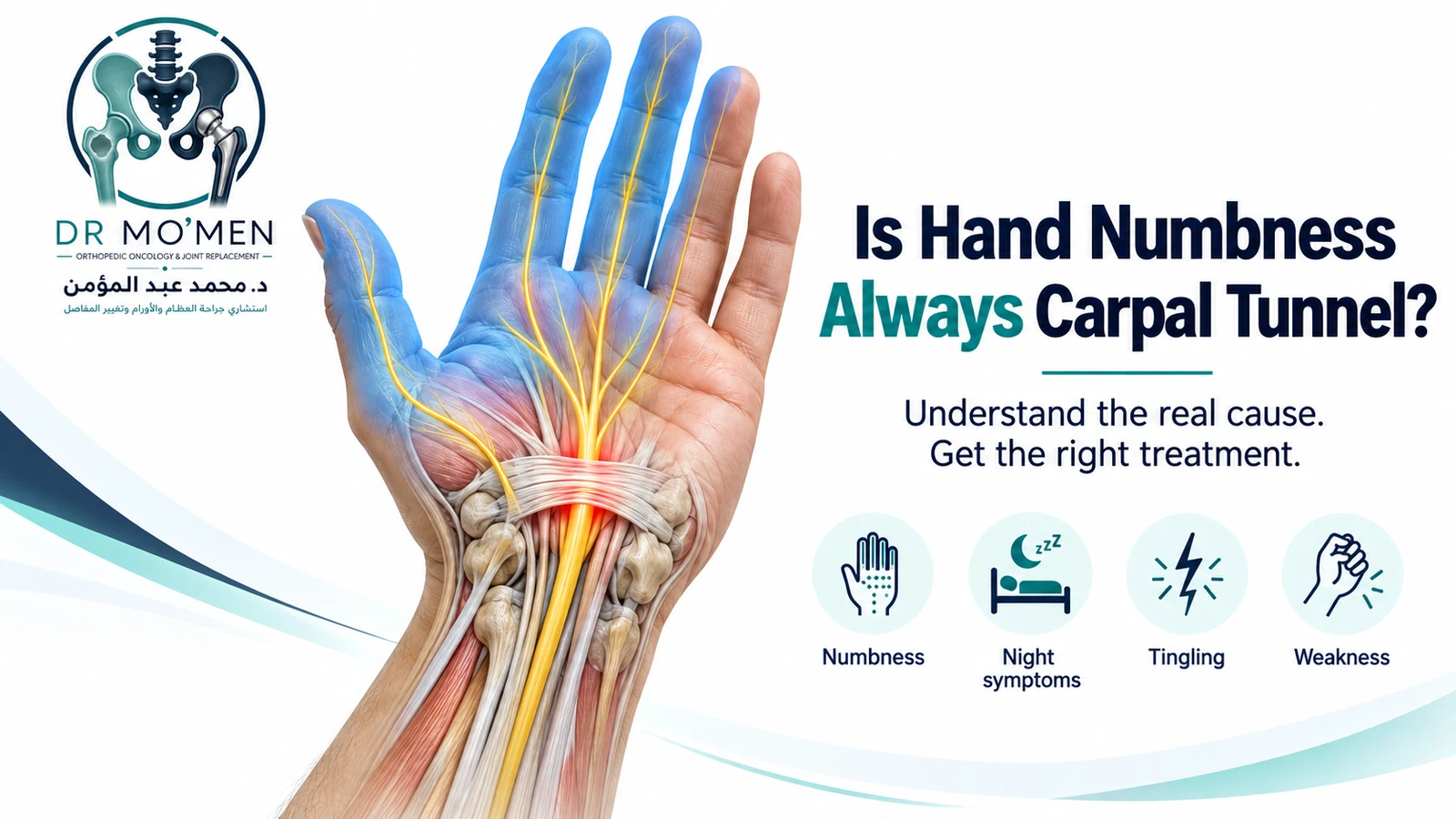
Learn the classic median-nerve finger pattern, how carpal tunnel differs from neck or ulnar-nerve problems, and when testing or treatment is appropriate.
Read article →
Foot drop is not always a spine problem. Learn how L5 radiculopathy, peroneal nerve injury, EMG/NCS and targeted imaging help localize the cause.
Read article →
Warning signs after sports injury, when self-care may be reasonable, when urgent assessment is needed, and how X-ray, MRI, rehabilitation and return to sport are selected.
Read article →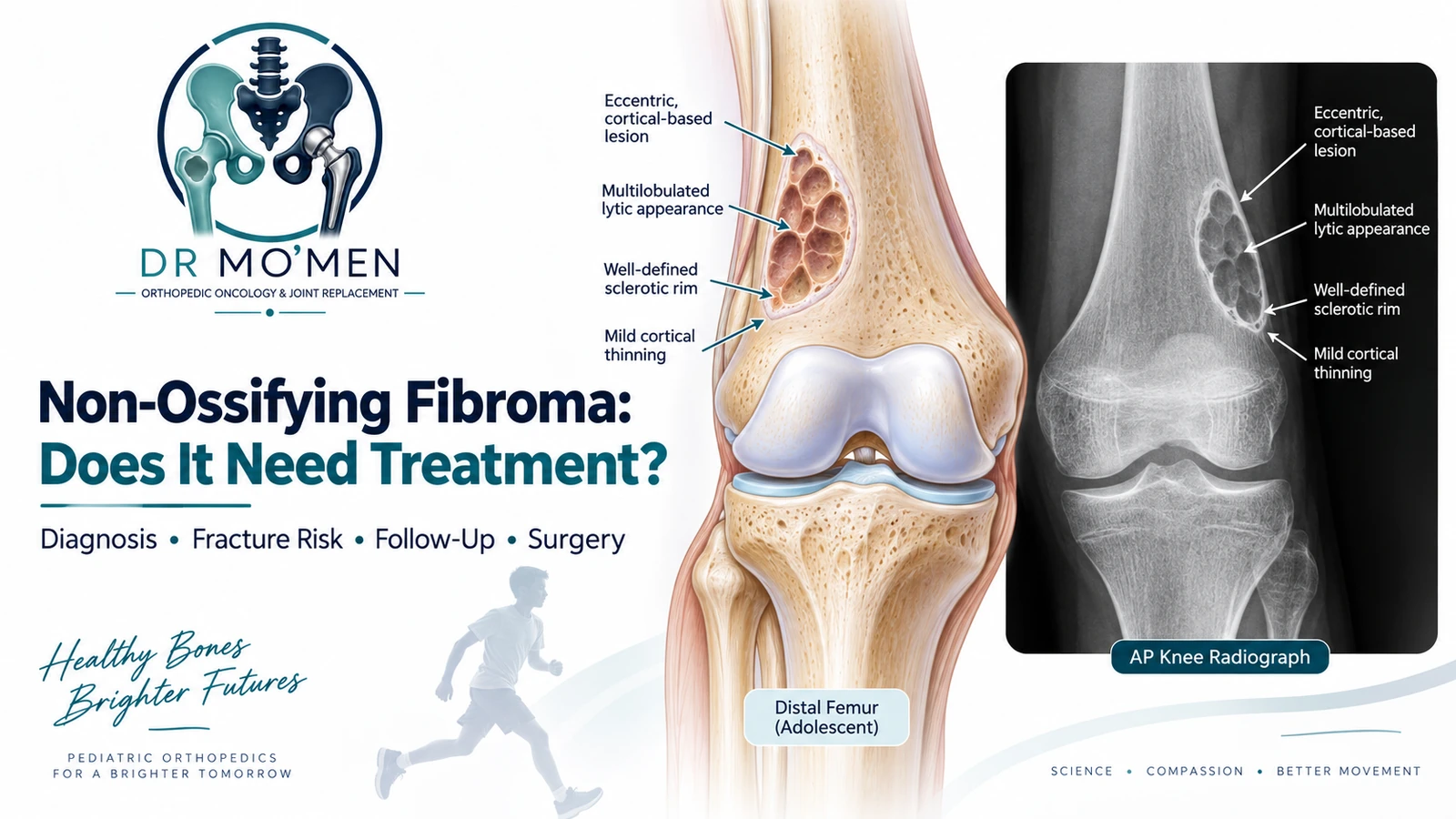
Learn what a non-ossifying fibroma is, how NOF appears on X-rays, when observation is enough, fracture risk, follow-up and when surgery may be needed.
Read article →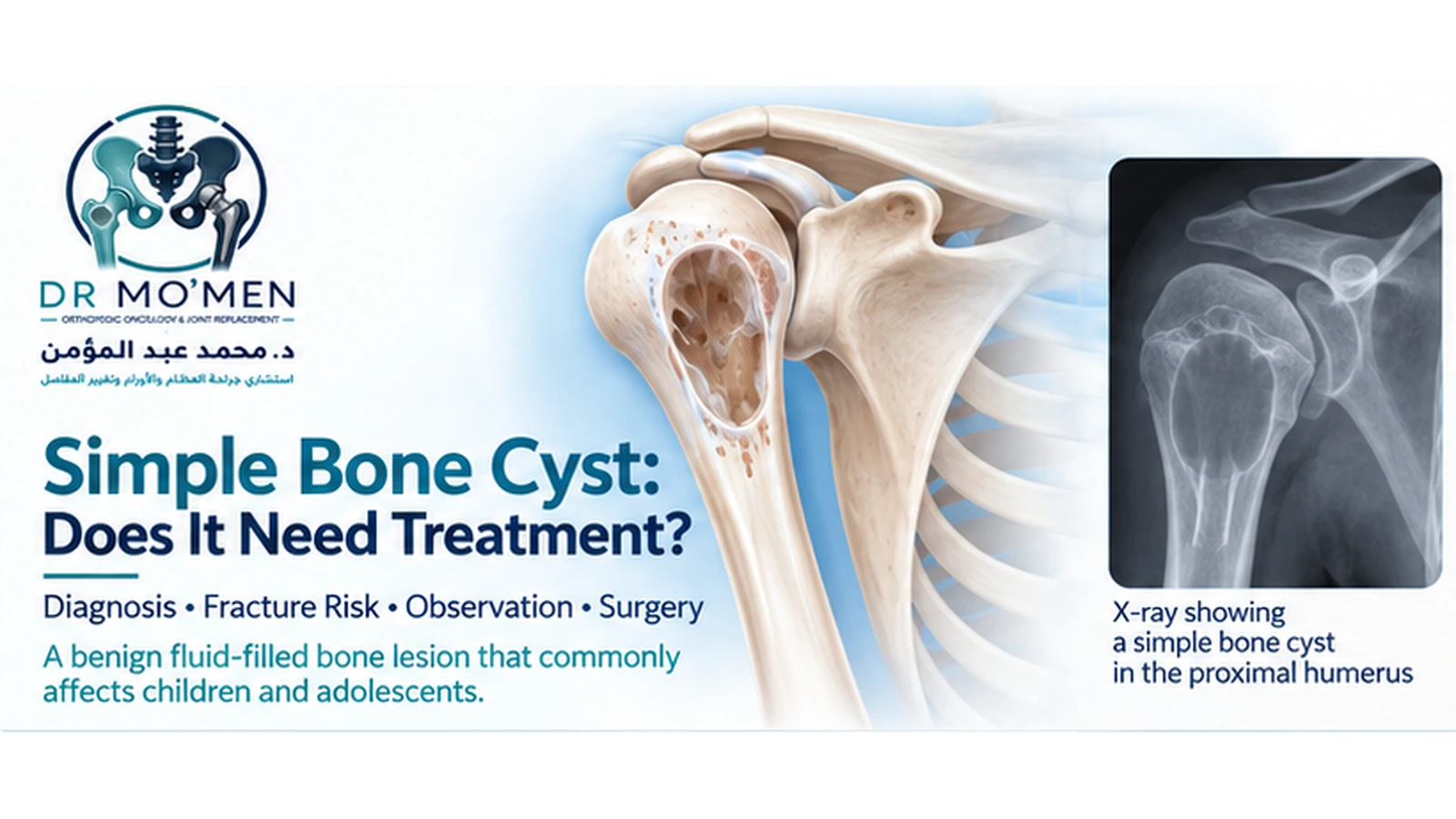
What a simple or unicameral bone cyst is, how fracture risk is assessed, and when observation, injection, decompression, curettage or fixation may be considered.
Read article →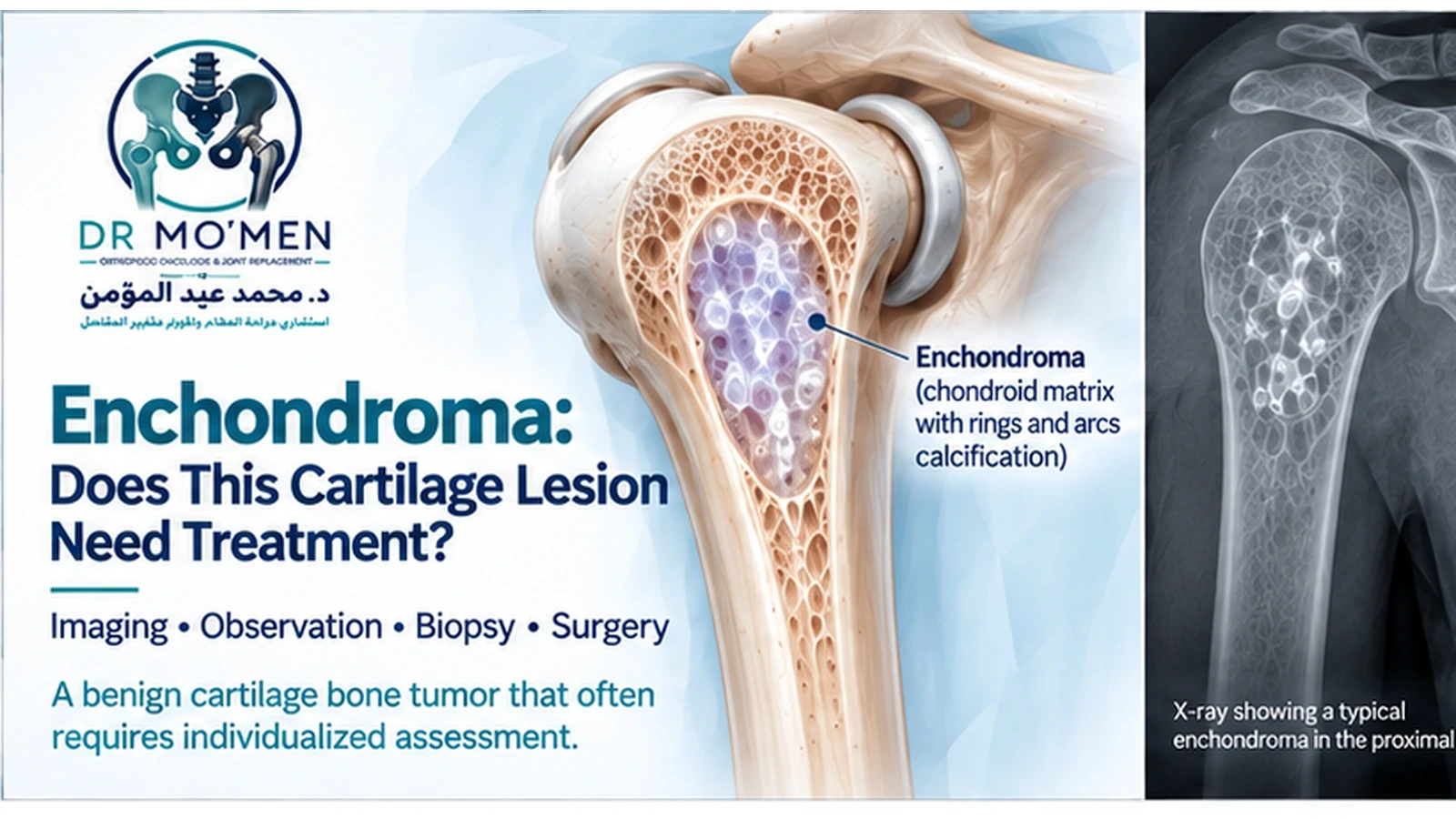
How enchondroma is assessed on X-rays, when observation is appropriate, warning features, selective biopsy and when surgery may be considered.
Read article →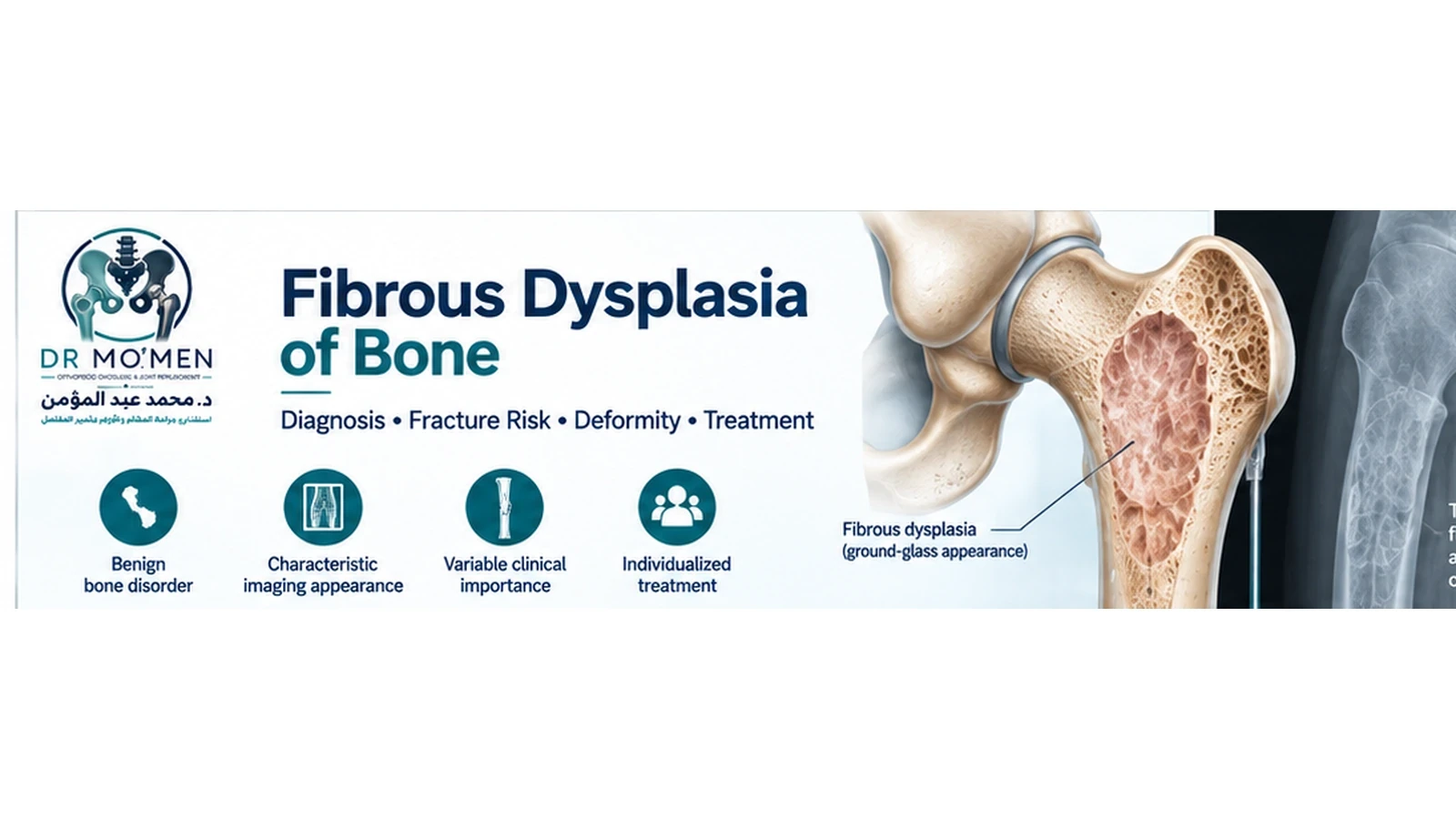
How fibrous dysplasia is diagnosed, when biopsy is needed, and how fracture, deformity and mechanical risk influence treatment.
Read article →
When a second orthopedic opinion can clarify diagnosis, surgery indications, alternatives, revision planning, tumor workup and complex reconstruction decisions.
Read article →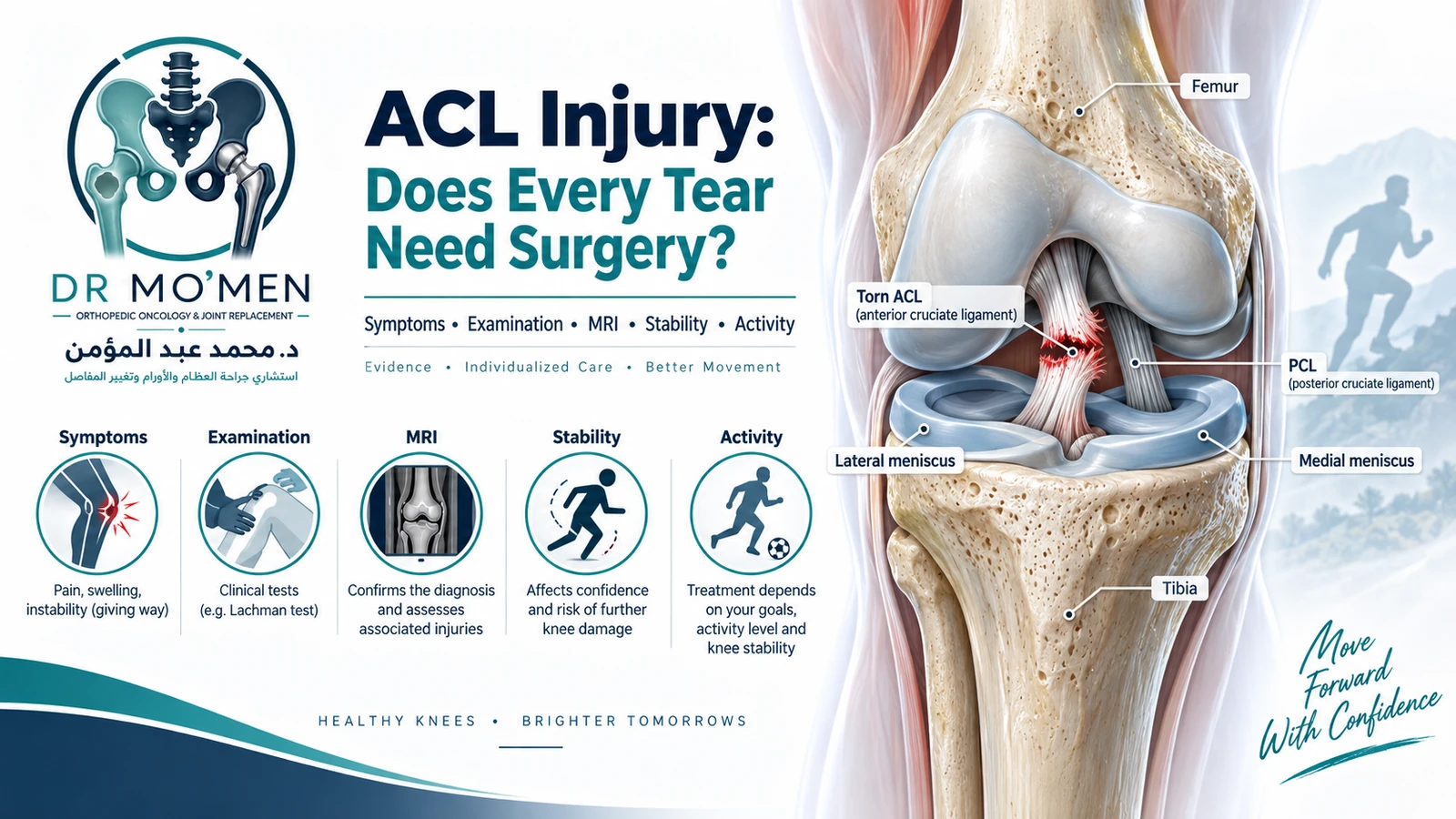
Symptoms, examination, MRI, rehabilitation, and when ACL reconstruction may be appropriate for an unstable sports knee.
Read article →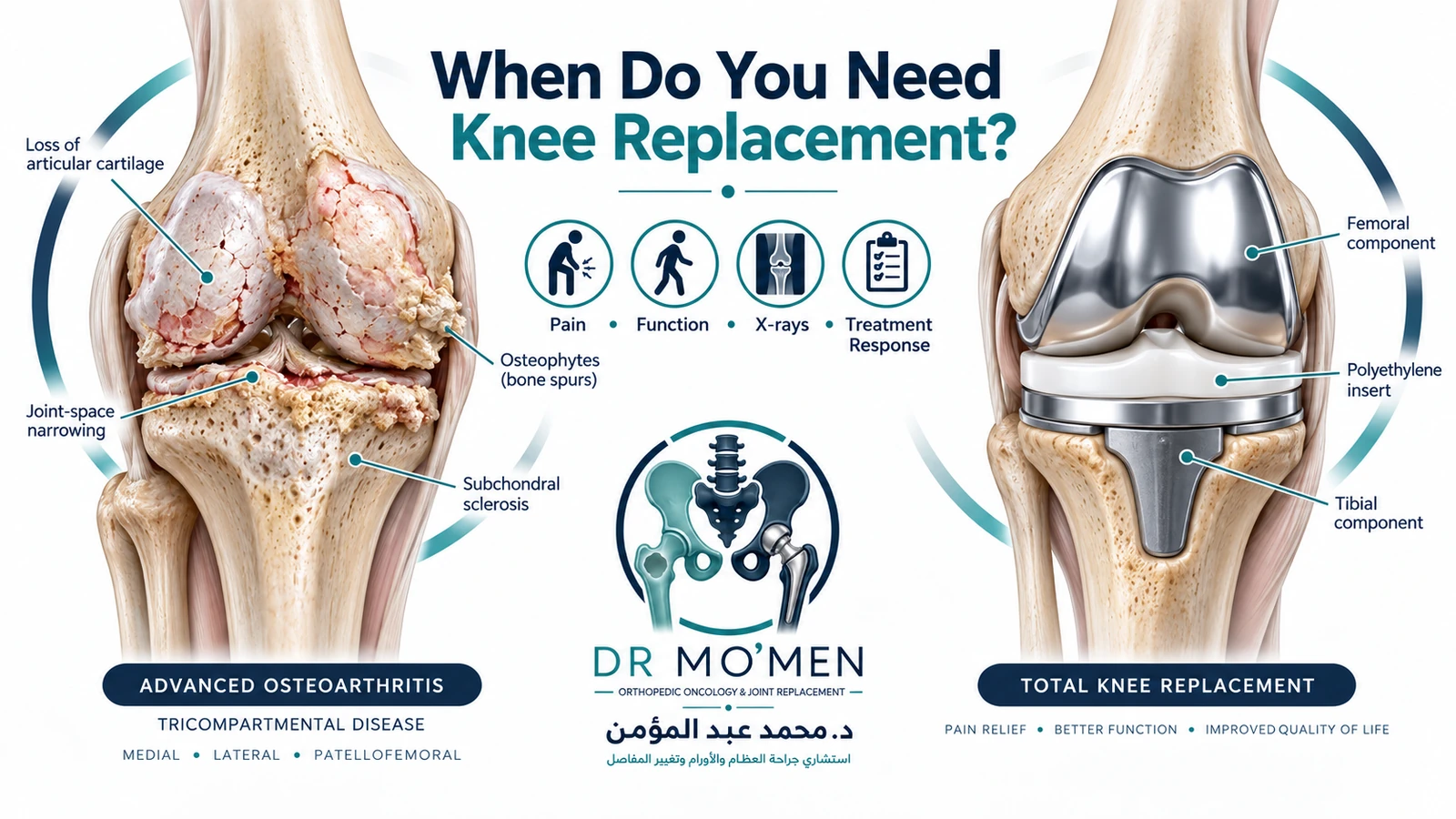
Learn when knee replacement may be appropriate, which symptoms matter, what weight-bearing X-rays show, and when non-surgical treatment may no longer be enough.
Read article →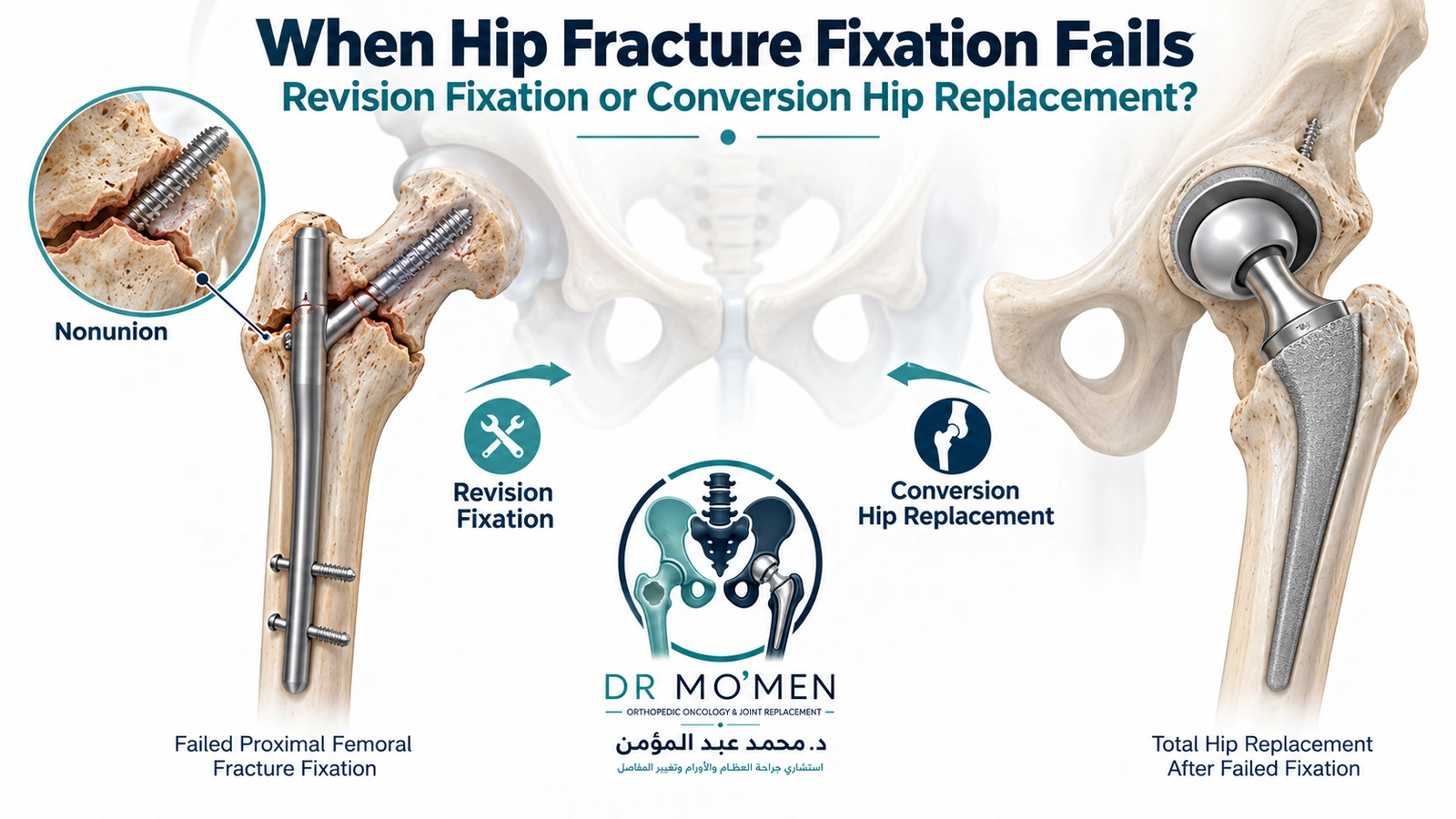
Why failed fracture fixation sometimes needs revision fixation and sometimes conversion hip replacement, with special attention to nonunion, AVN, bone loss, hardware removal and occult infection.
Read article →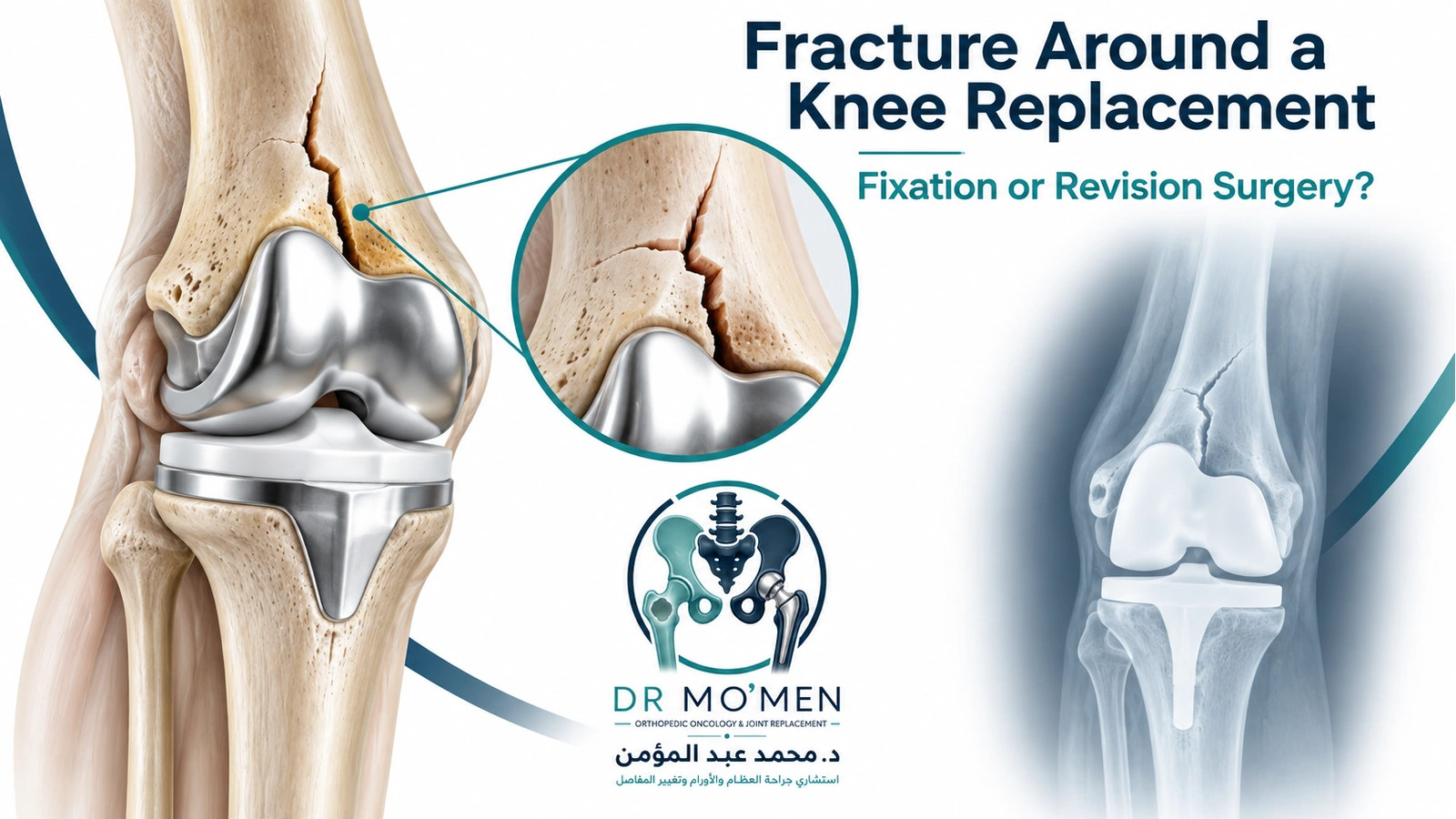
How implant stability, fracture pattern and bone stock determine plate fixation, retrograde nailing, revision knee replacement or distal femoral replacement.
Read article →
How severe varus or valgus deformity changes alignment planning, ligament balancing, bone-loss reconstruction and implant constraint in total knee replacement.
Read article →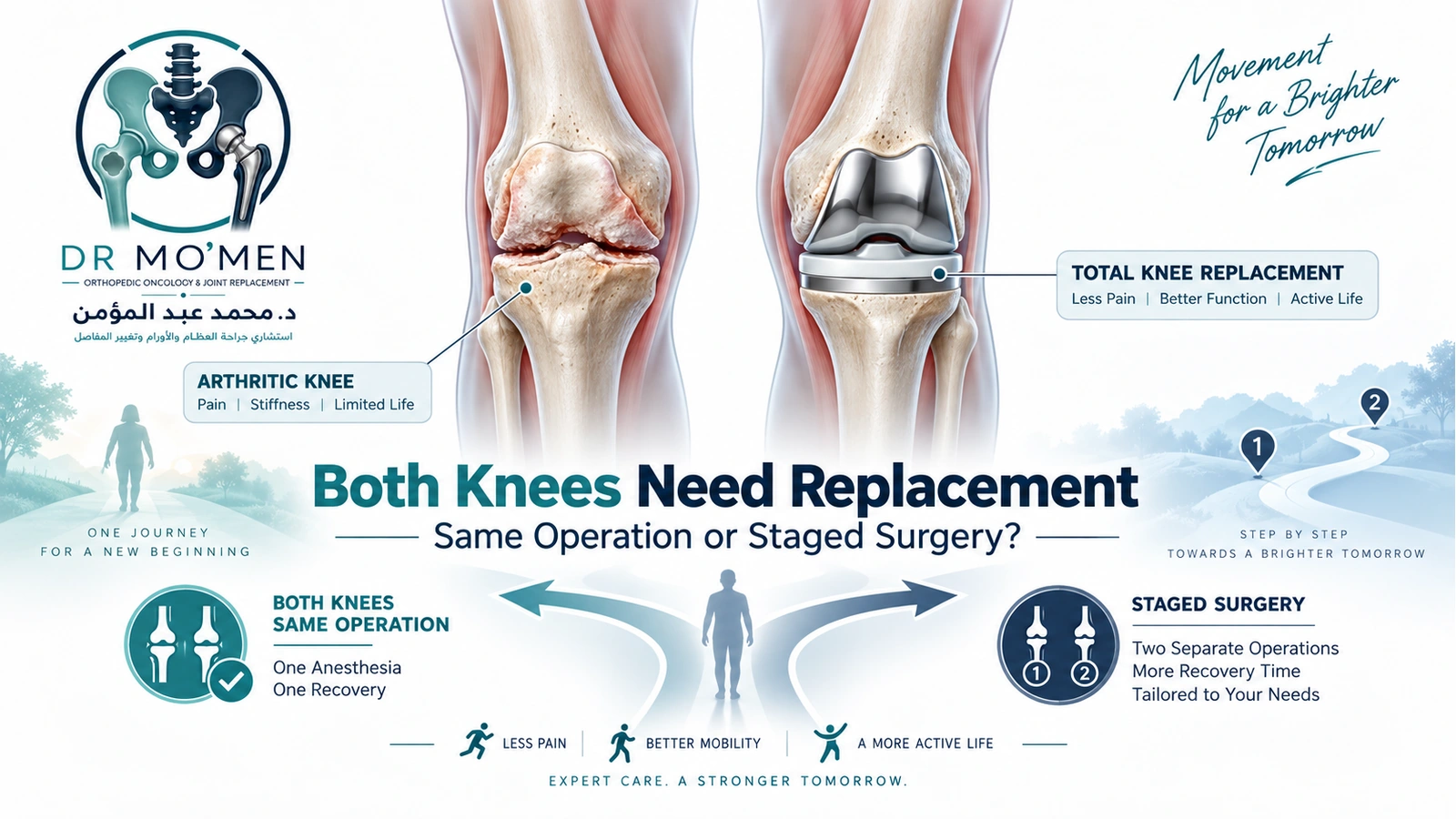
How medical fitness, perioperative risk, blood loss and rehabilitation influence the choice between simultaneous and staged bilateral knee replacement.
Read article →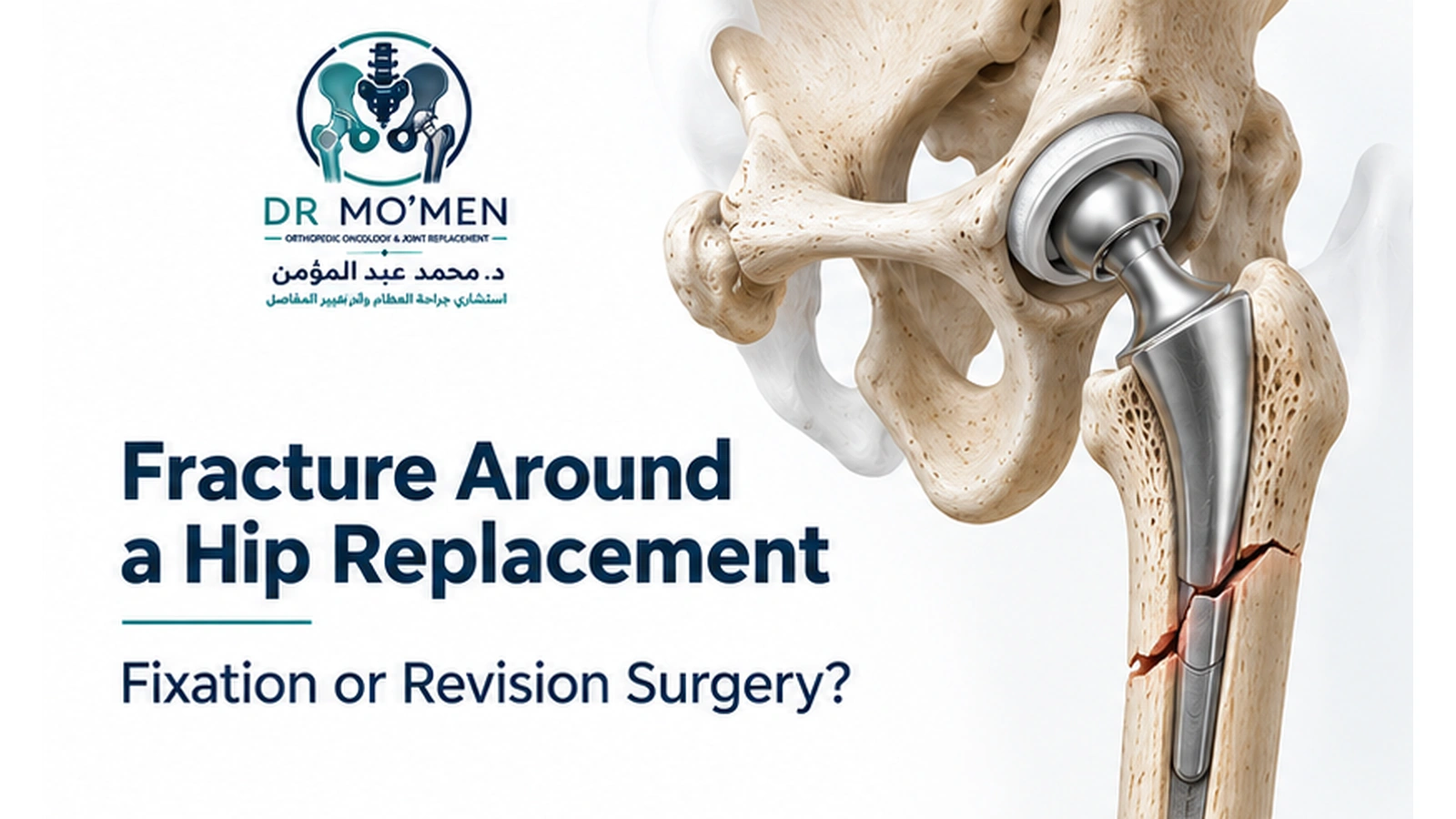
How stem stability, Vancouver classification, fracture pattern and bone stock determine fixation versus revision after a fracture around a hip replacement.
Read article →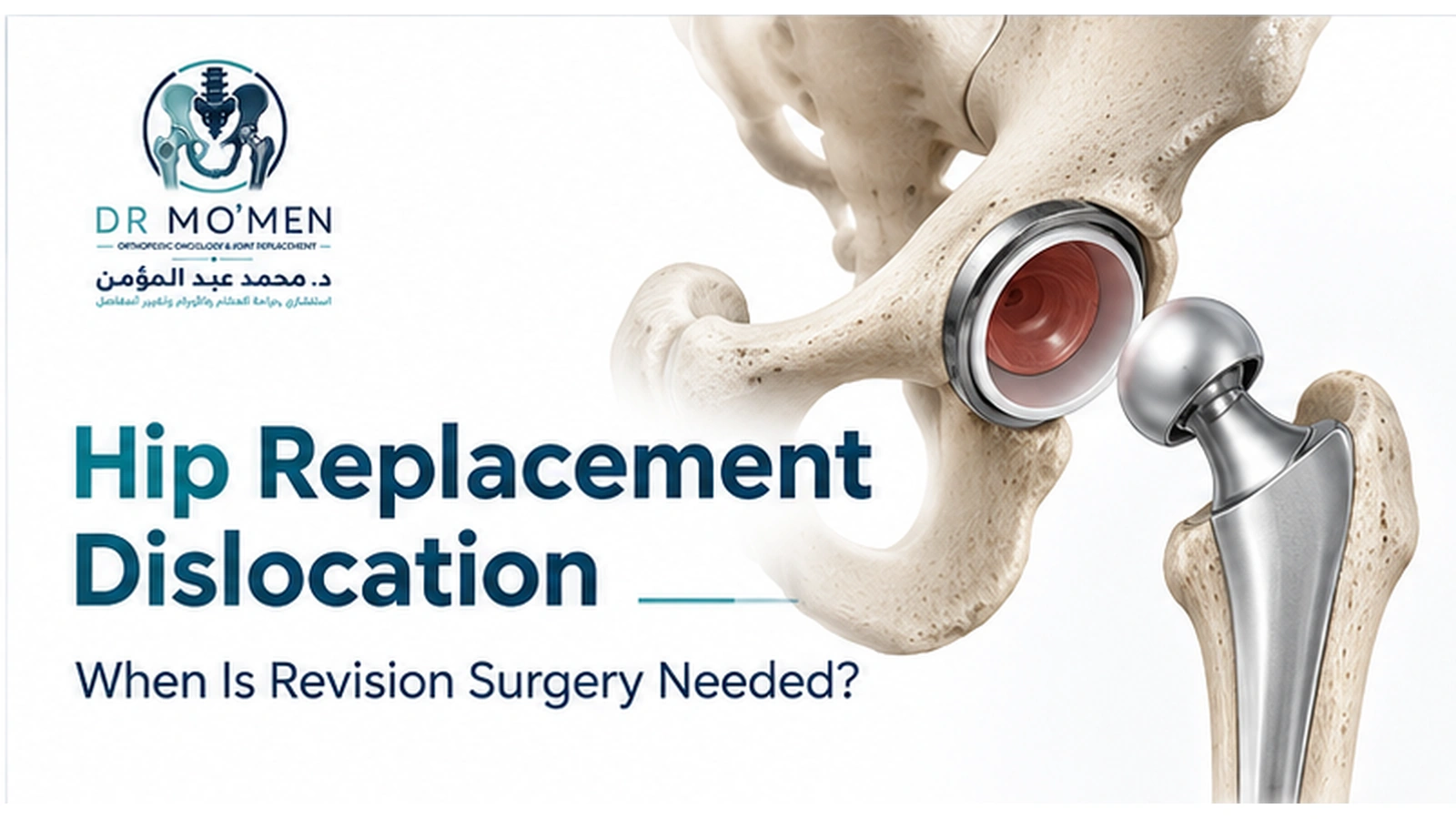
Why hip replacements dislocate, how recurrent instability is investigated, and when revision, dual mobility or other reconstruction may be considered.
Read article →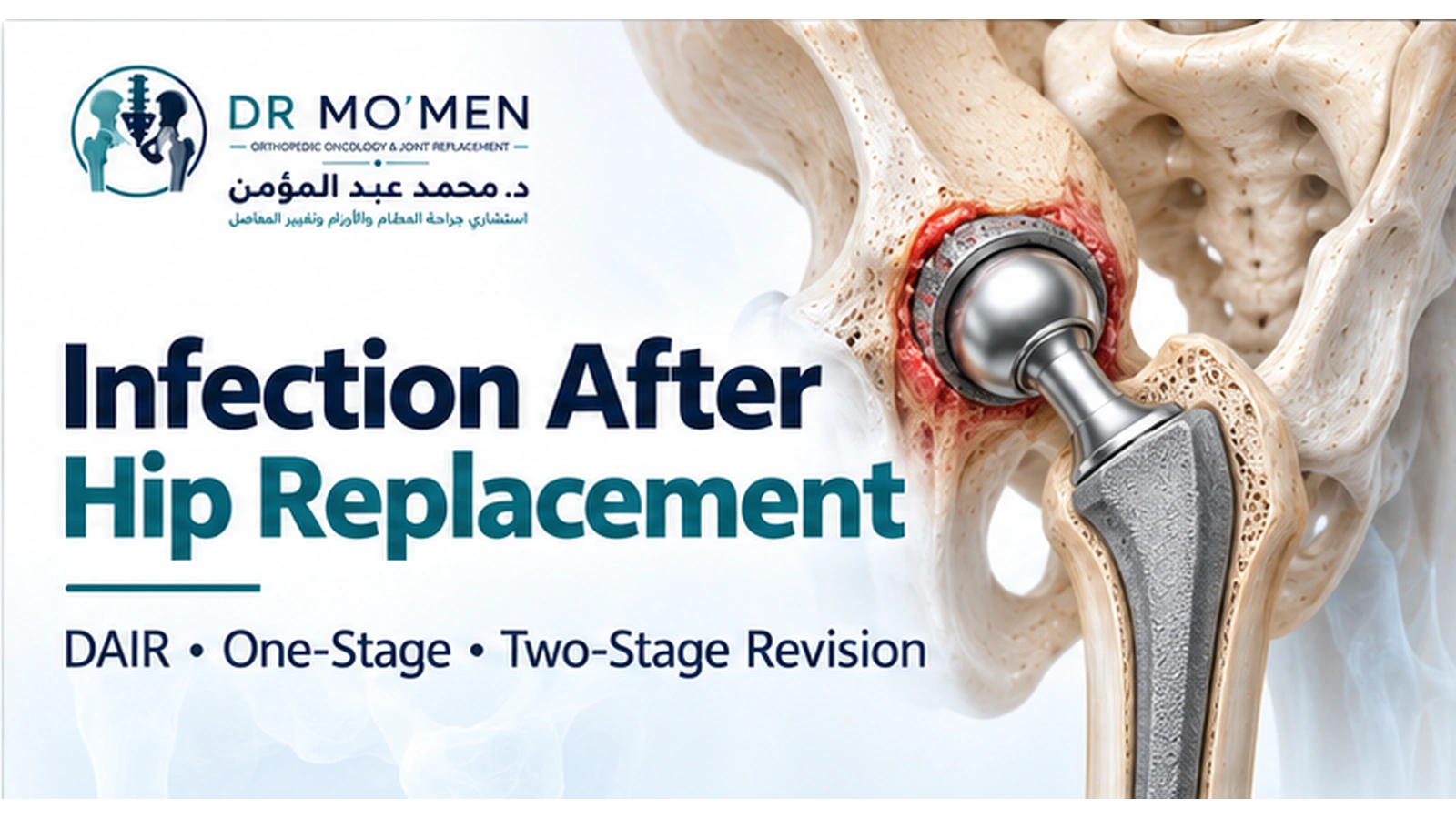
How hip PJI is diagnosed and when treatment may involve DAIR, one-stage revision or two-stage revision.
Read article →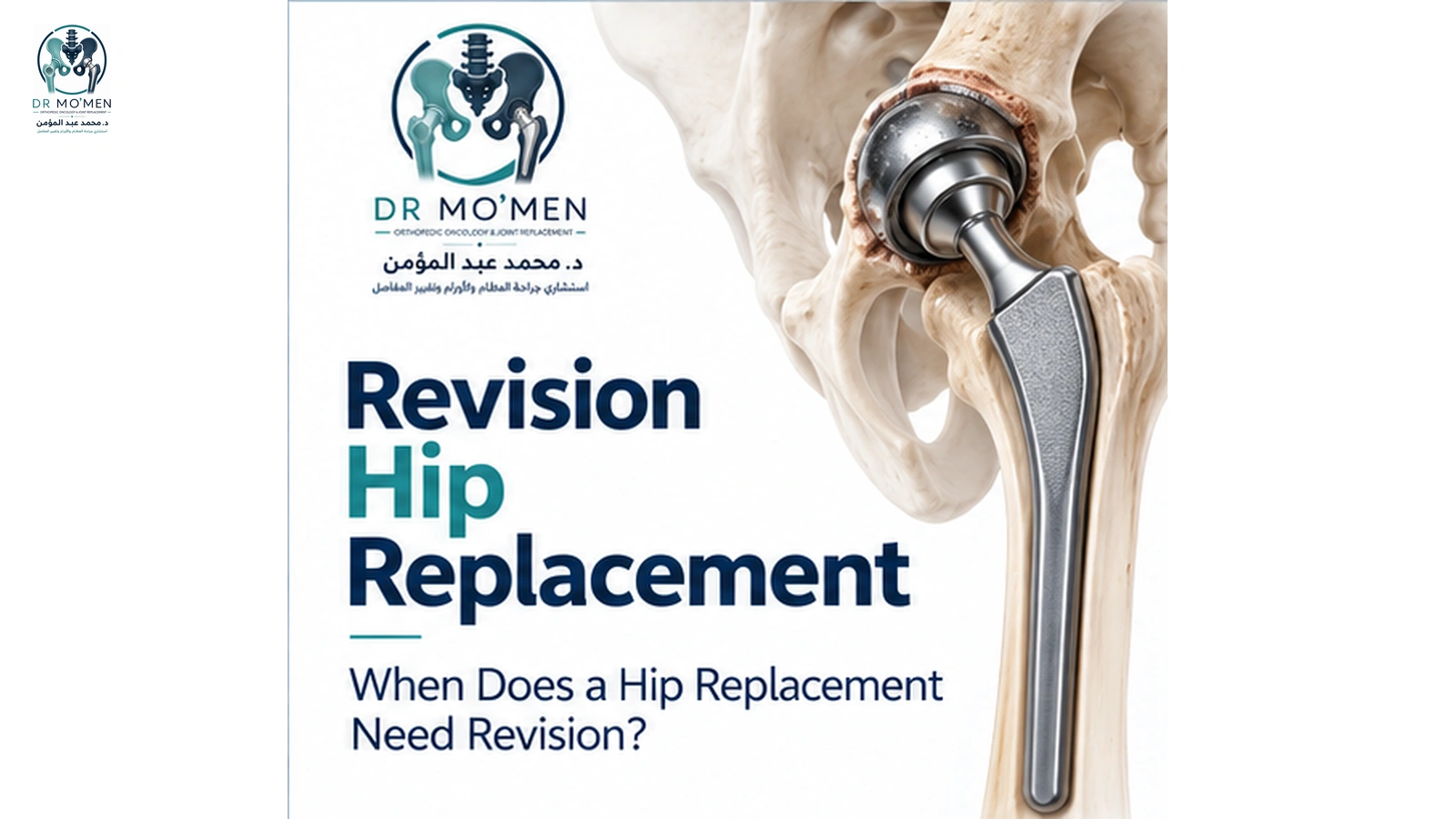
Why a hip replacement may need revision, how loosening, infection, instability, fracture and bone loss are assessed, and how complex reconstruction is planned.
Read article →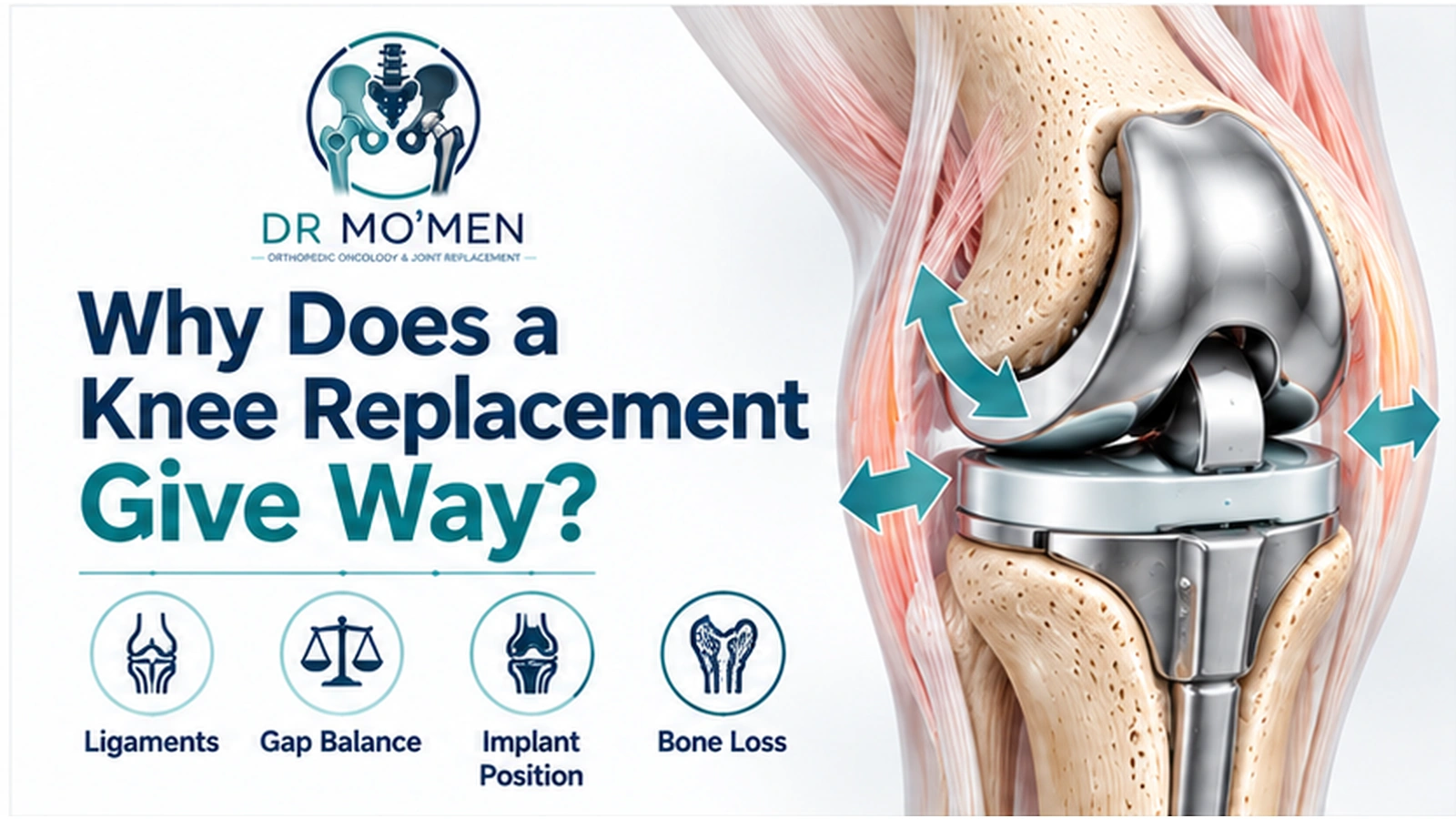
Why a knee replacement may give way, how instability is diagnosed, and when treatment may involve rehabilitation, polyethylene exchange or revision.
Read article →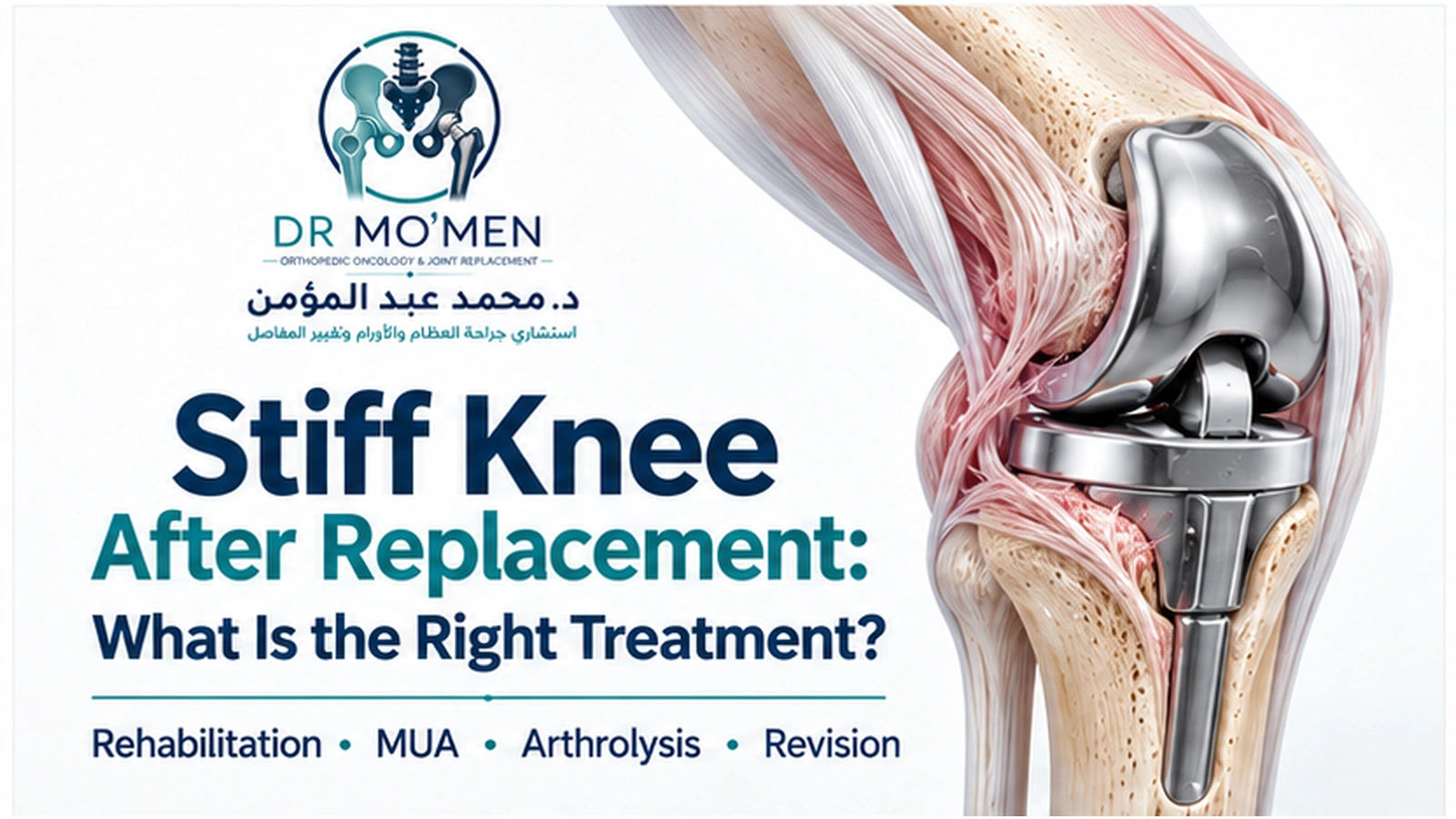
Why stiffness persists after knee replacement and when treatment may involve rehabilitation, MUA, arthrolysis or revision.
Read article →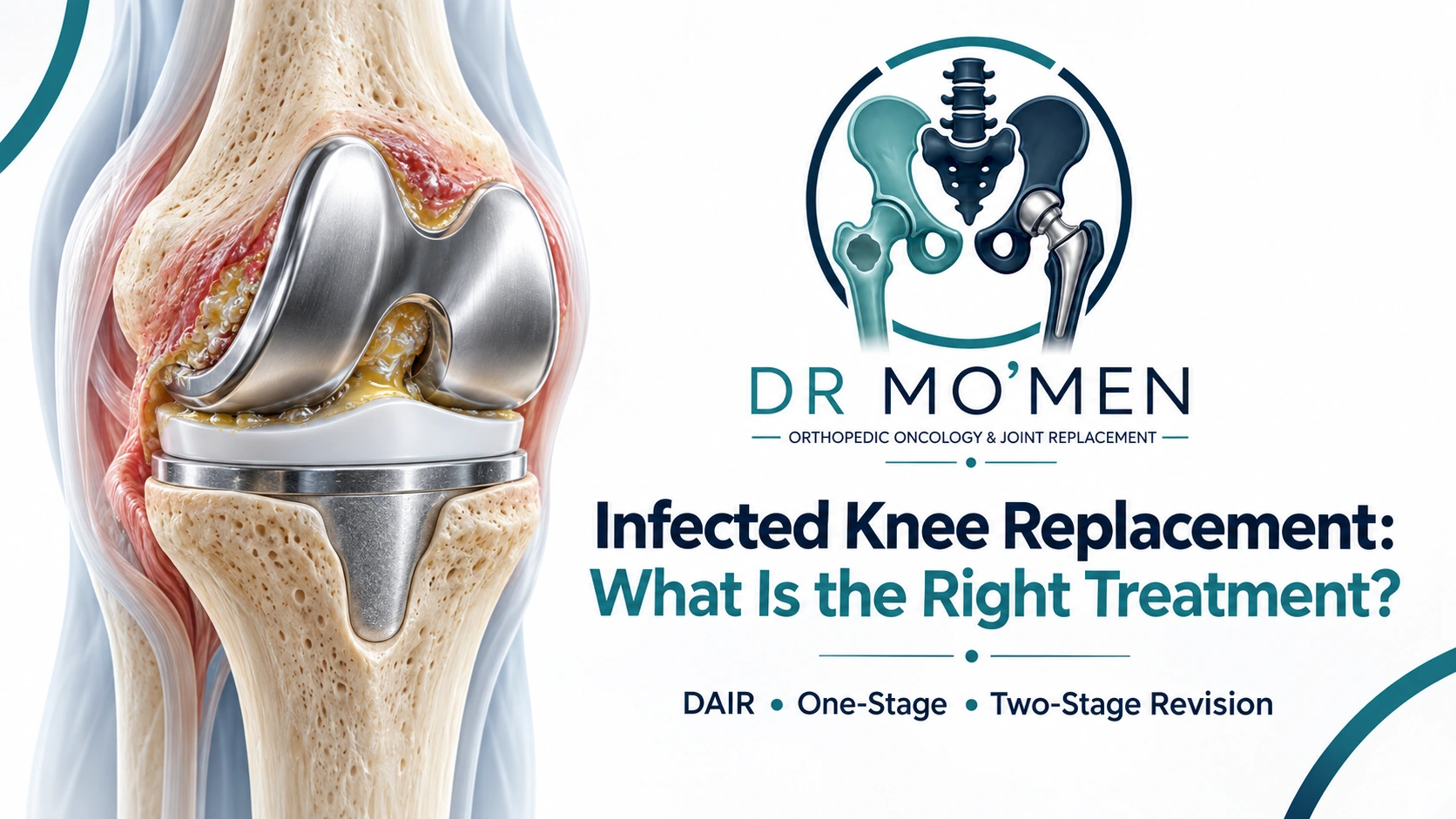
How knee PJI is diagnosed and when treatment may involve DAIR, one-stage exchange or two-stage revision.
Read article →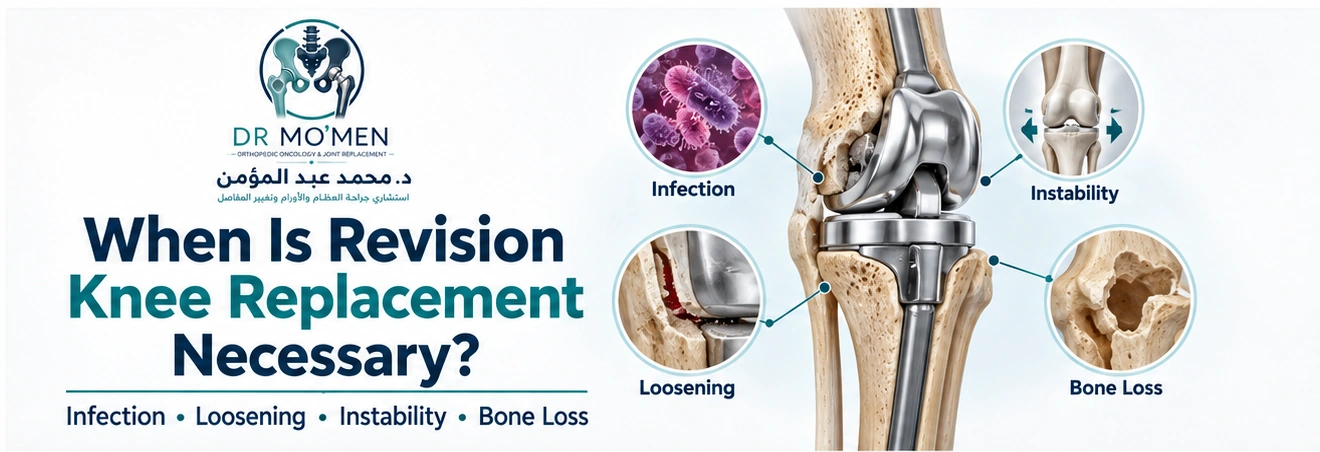
When revision TKA is appropriate, how failed implants are assessed, and how bone loss, ligament stability and infection influence reconstruction.
Read article →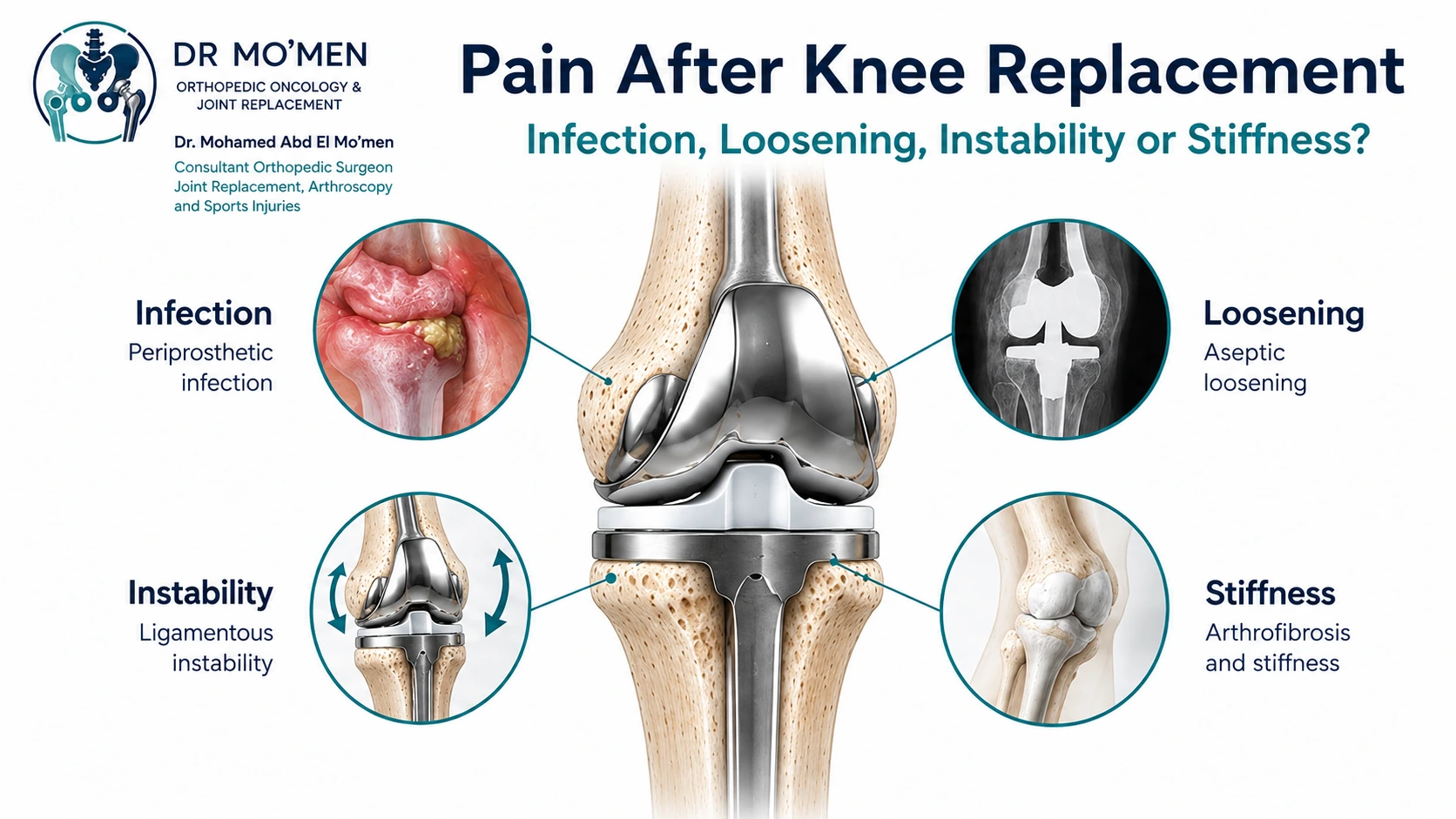
How a painful knee replacement is assessed, including infection, loosening, instability and stiffness, before revision is considered.
Read article →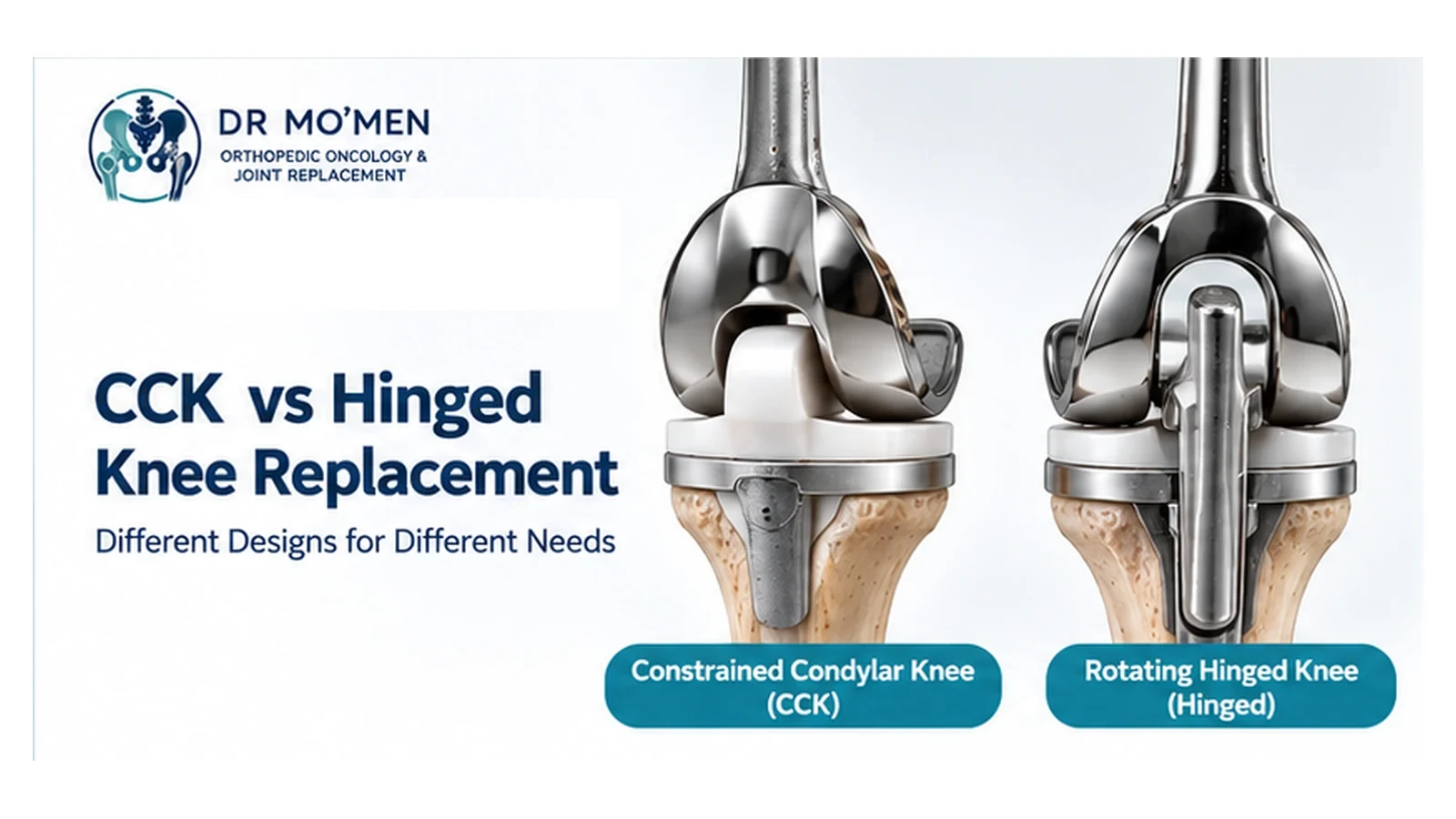
How ligament failure, instability and bone loss influence the choice between CCK and rotating-hinge designs in complex primary and revision knee replacement.
Read article →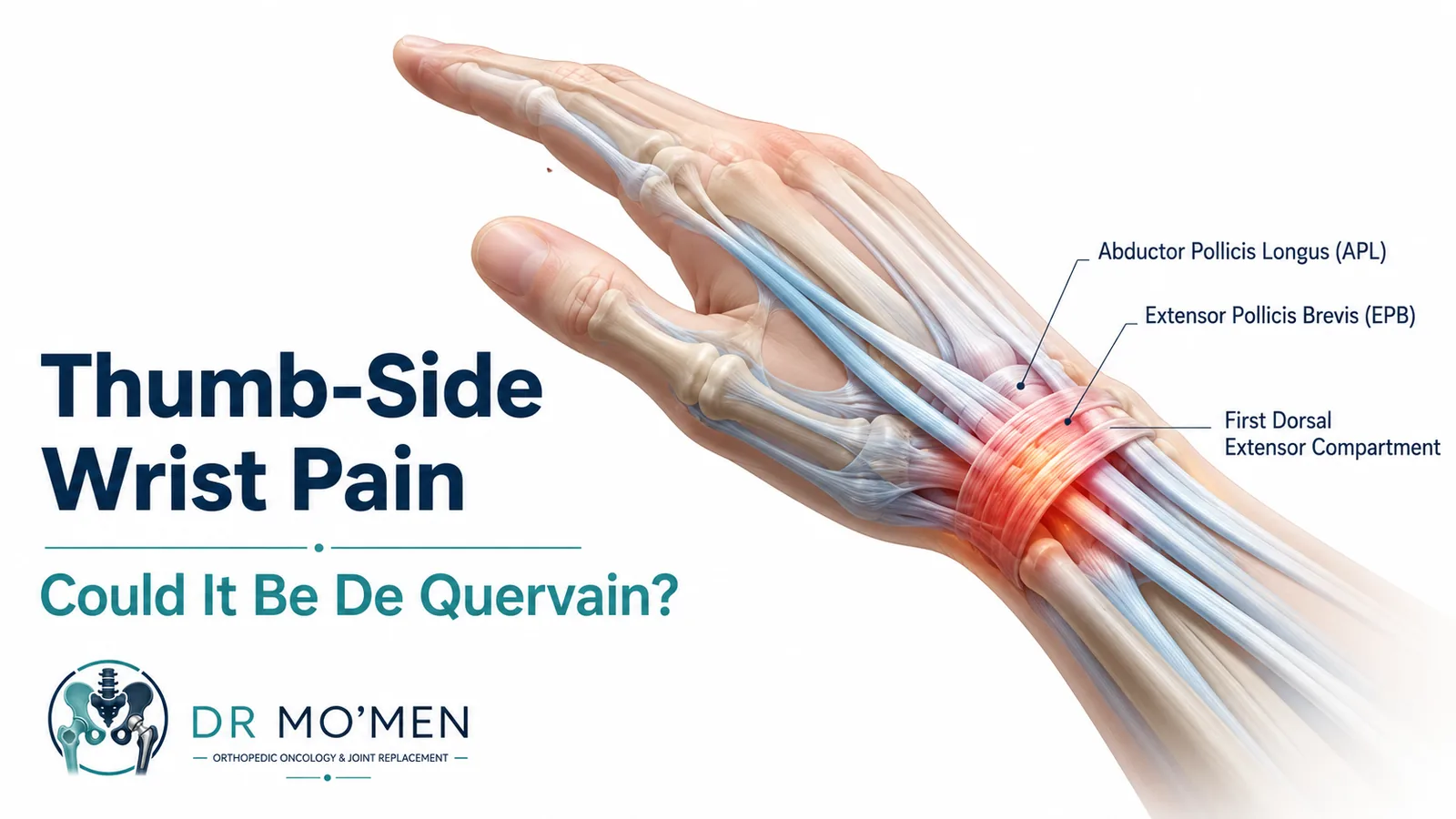
Thumb-side wrist pain with gripping, lifting or carrying a baby may be De Quervain tenosynovitis. Learn diagnosis, splinting, injections and when surgery is considered.
Read article →
Finger clicking, catching or locking may be trigger finger. Learn how it is diagnosed, nonsurgical options, injections, and when release surgery is considered.
Read article →
Outer elbow pain that worsens with gripping or lifting may be tennis elbow. Learn the diagnosis, treatment, imaging indications, and when to seek specialist review.
Read article →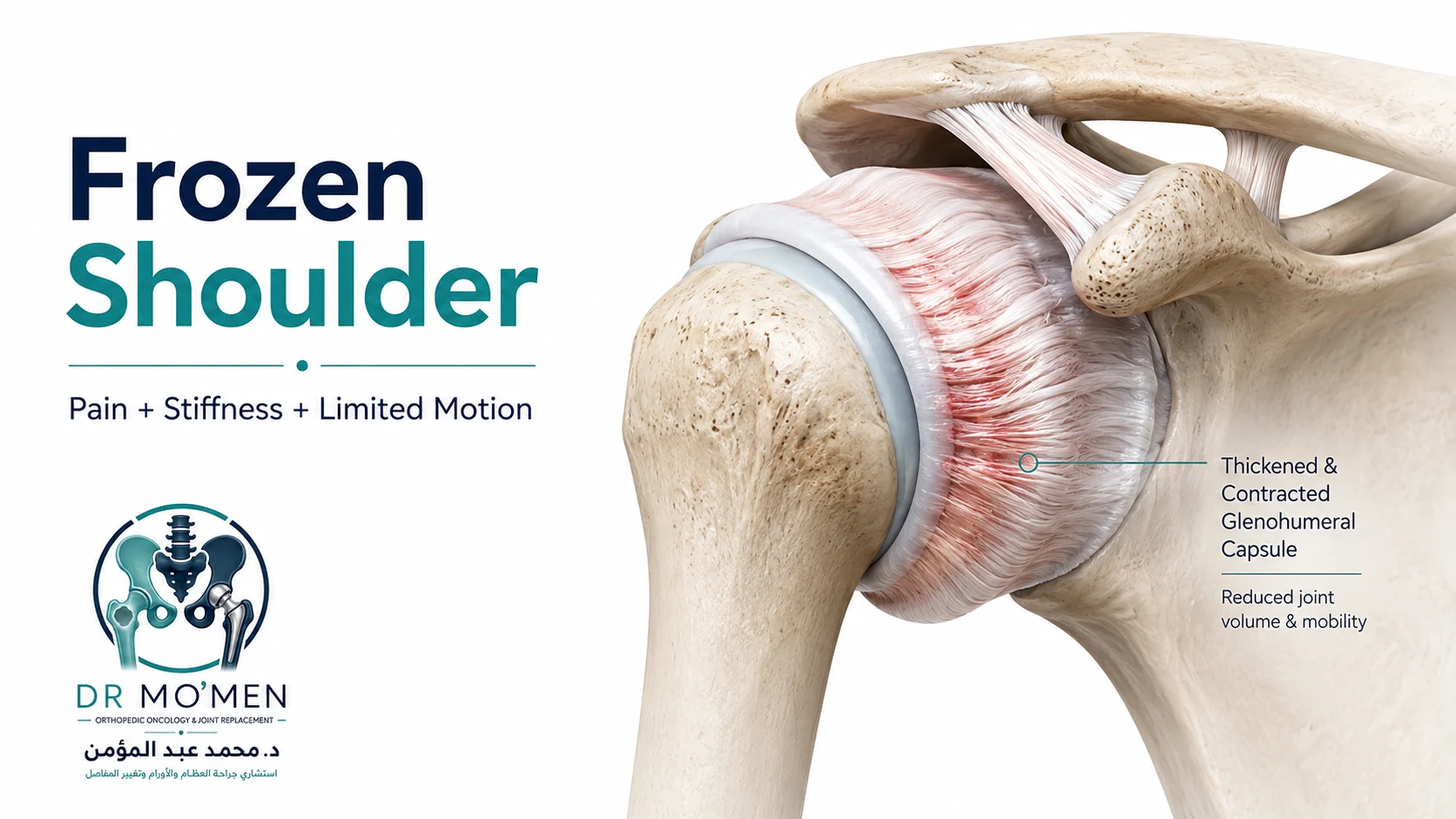
Frozen shoulder causes progressive pain and stiffness, with restriction of both active and passive shoulder movement. Diagnosis is mainly clinical, and treatment is usually nonsurgical and individualized.
Read article →
First-step morning heel pain commonly fits a plantar fascia pattern, while a heel spur on X-ray may be incidental. Learn diagnosis, treatment, and red flags.
Read article →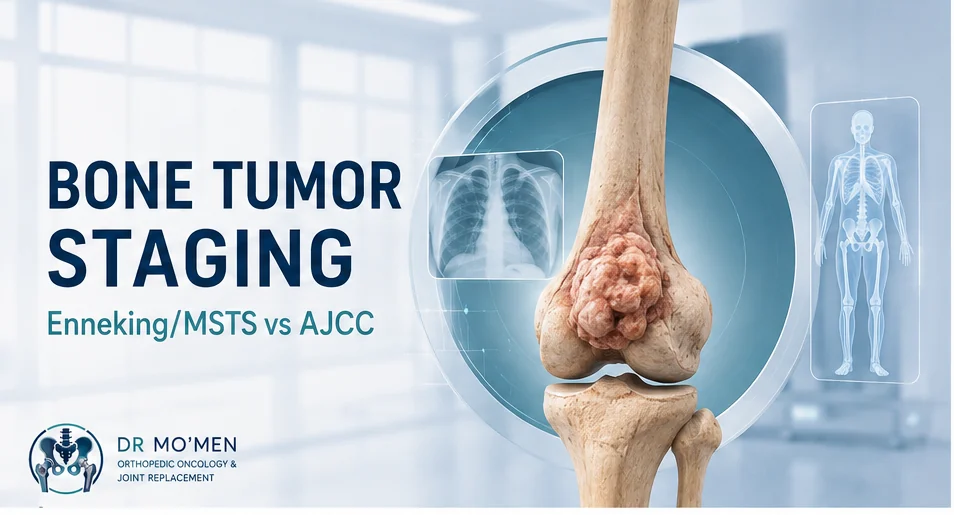
Understand Enneking/MSTS and AJCC staging, the difference between grade and stage, and why pathology and full staging matter.
Read article →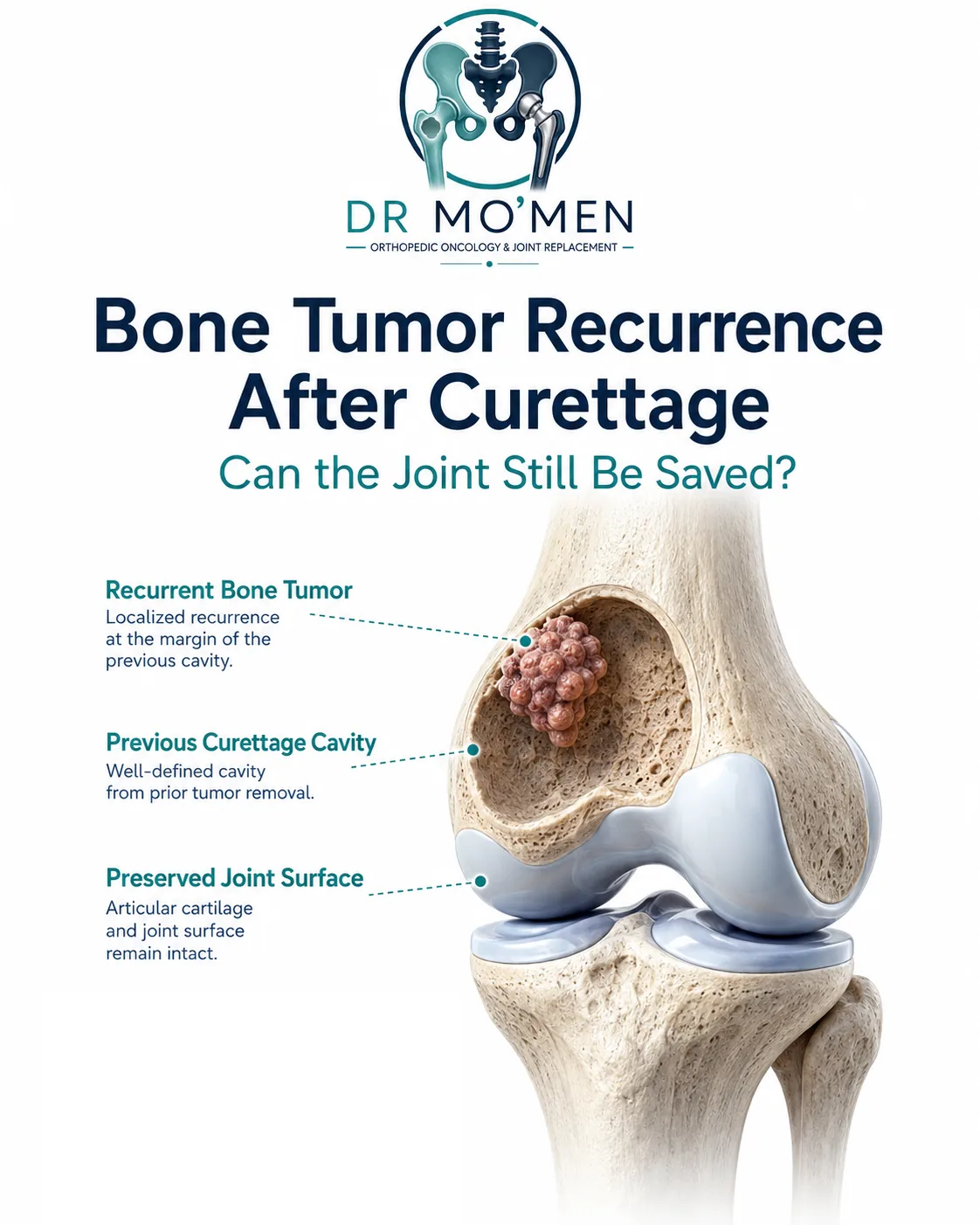
When repeat extended curettage may still preserve the native joint, and when wider resection or reconstruction becomes necessary.
Read article →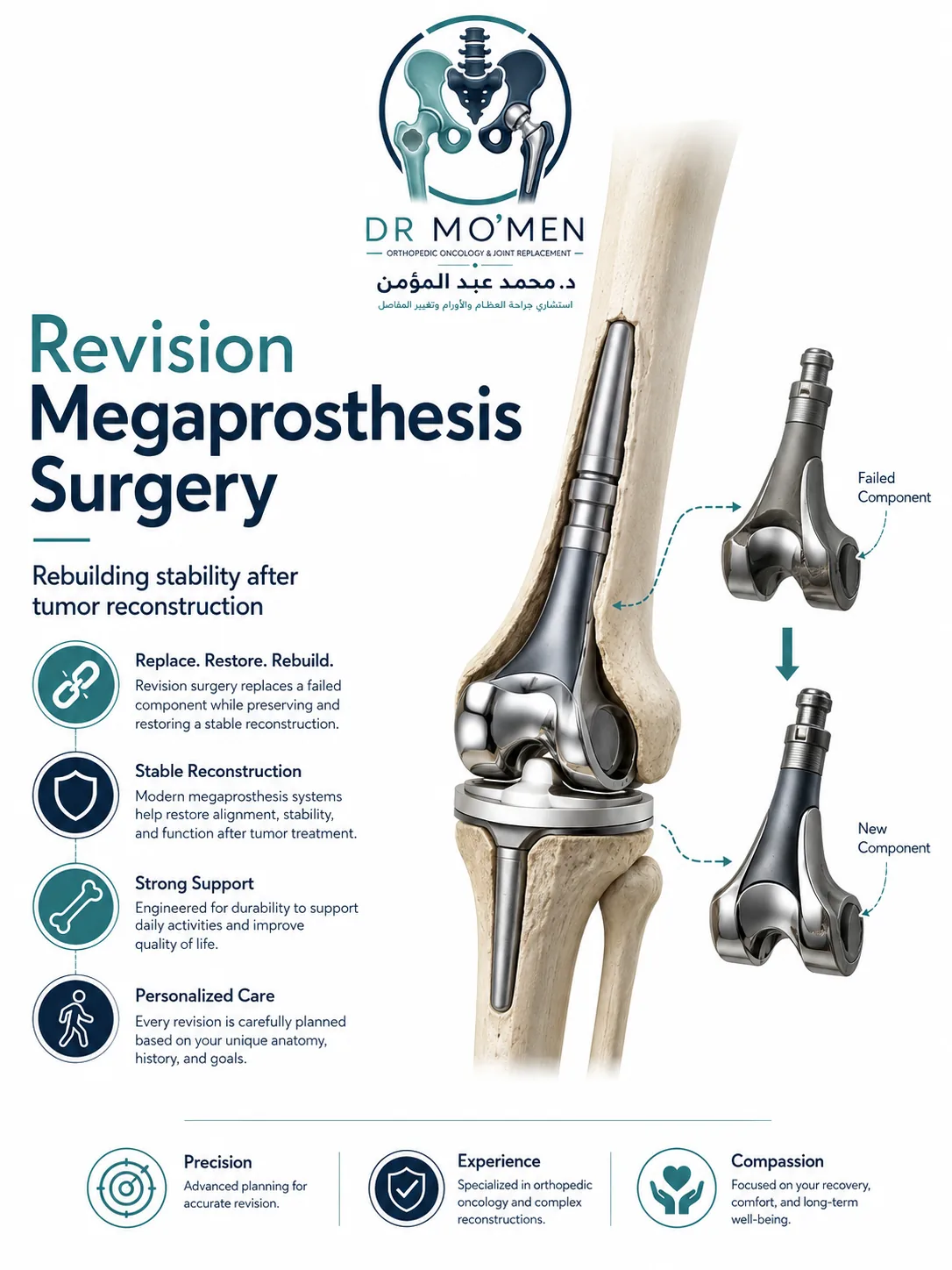
Why a tumor megaprosthesis may need revision, how failure is assessed, and how surgeons plan component preservation, bone stock and reconstruction.
Read article →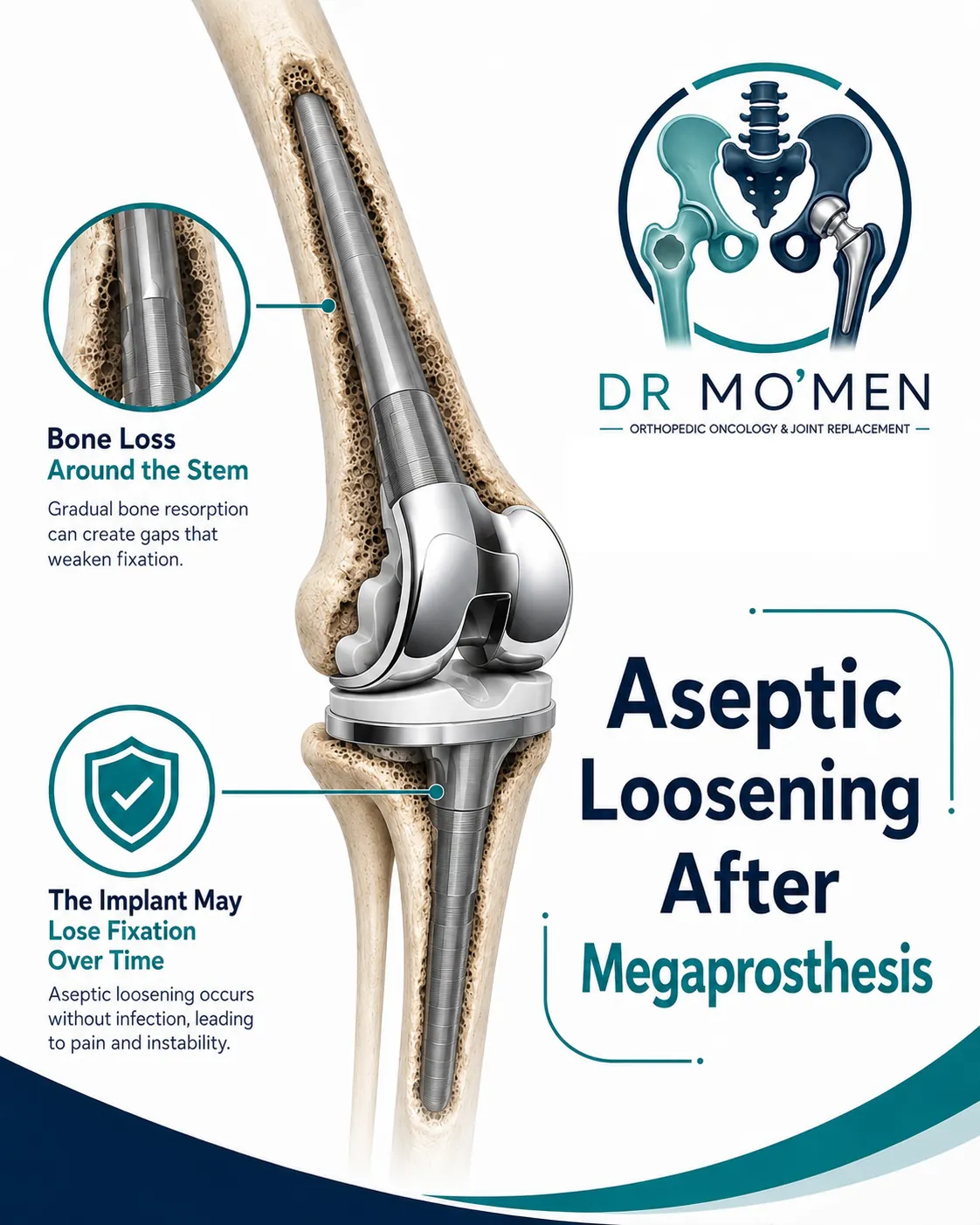
Why a tumor megaprosthesis may loosen without infection, how serial imaging helps, and when revision may be considered.
Read article →
How infection around a tumor megaprosthesis is diagnosed and when DAIR, component exchange or staged revision may be considered.
Read article →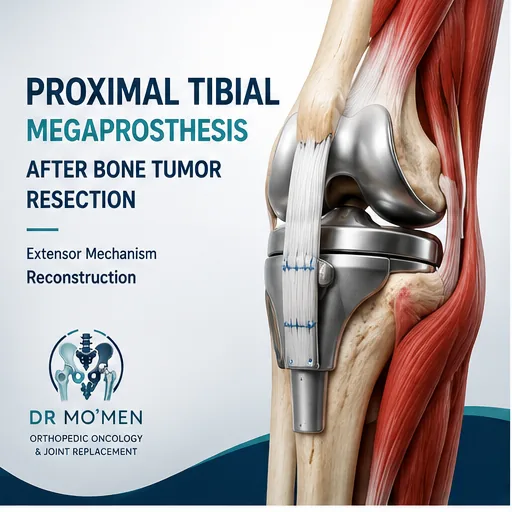
Why proximal tibial tumor reconstruction often requires patellar-tendon and extensor-mechanism repair, soft-tissue coverage and staged rehabilitation.
Read article →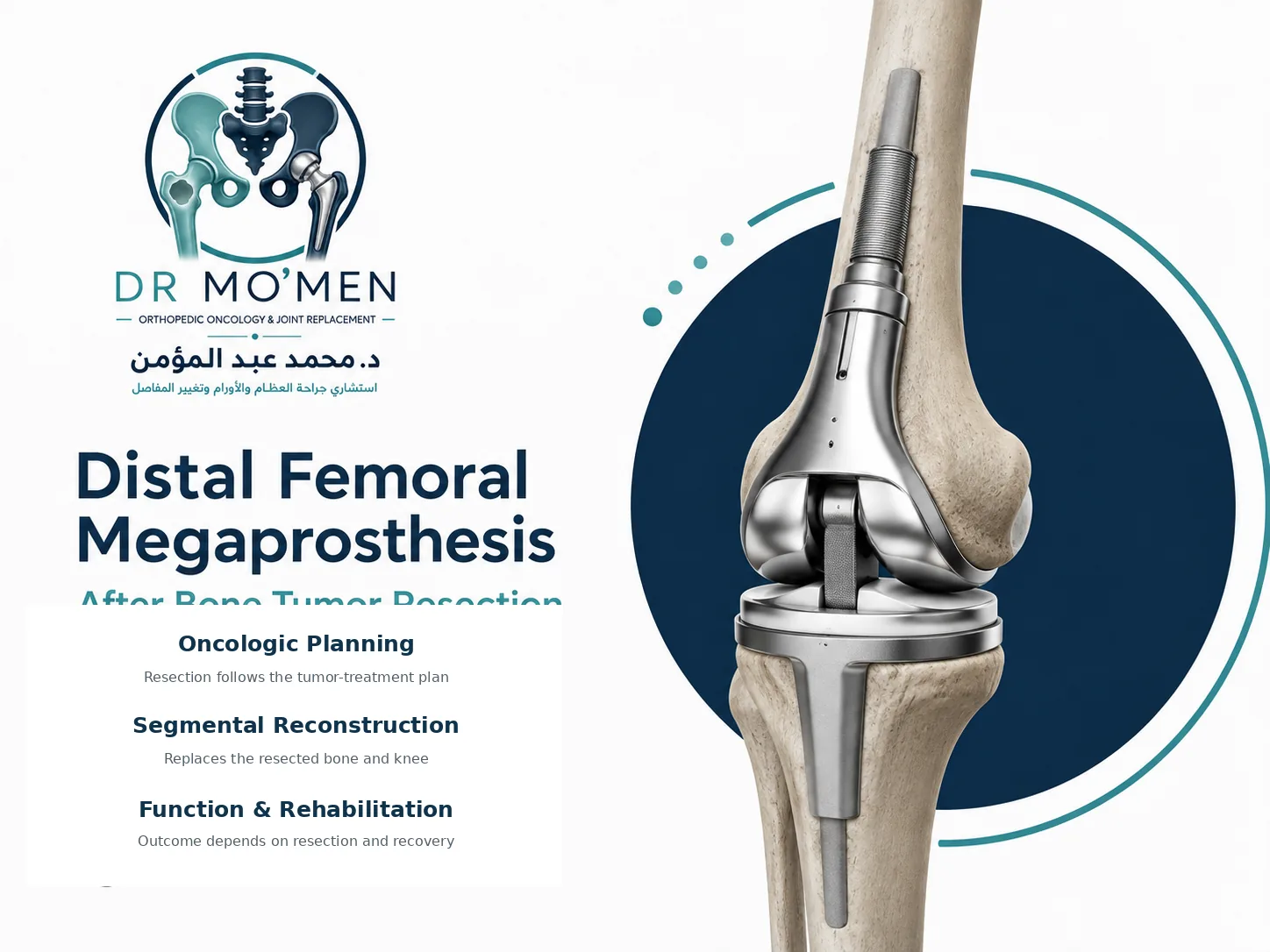
When distal femoral replacement is used after bone tumor resection, how surgery and rehabilitation proceed, and which long-term risks need surveillance.
Read article →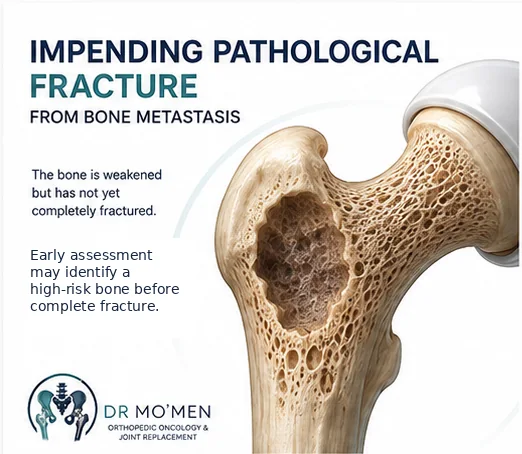
How fracture risk is assessed, why Mirels is only one part of the decision, and when preventive stabilization may be considered.
Read article →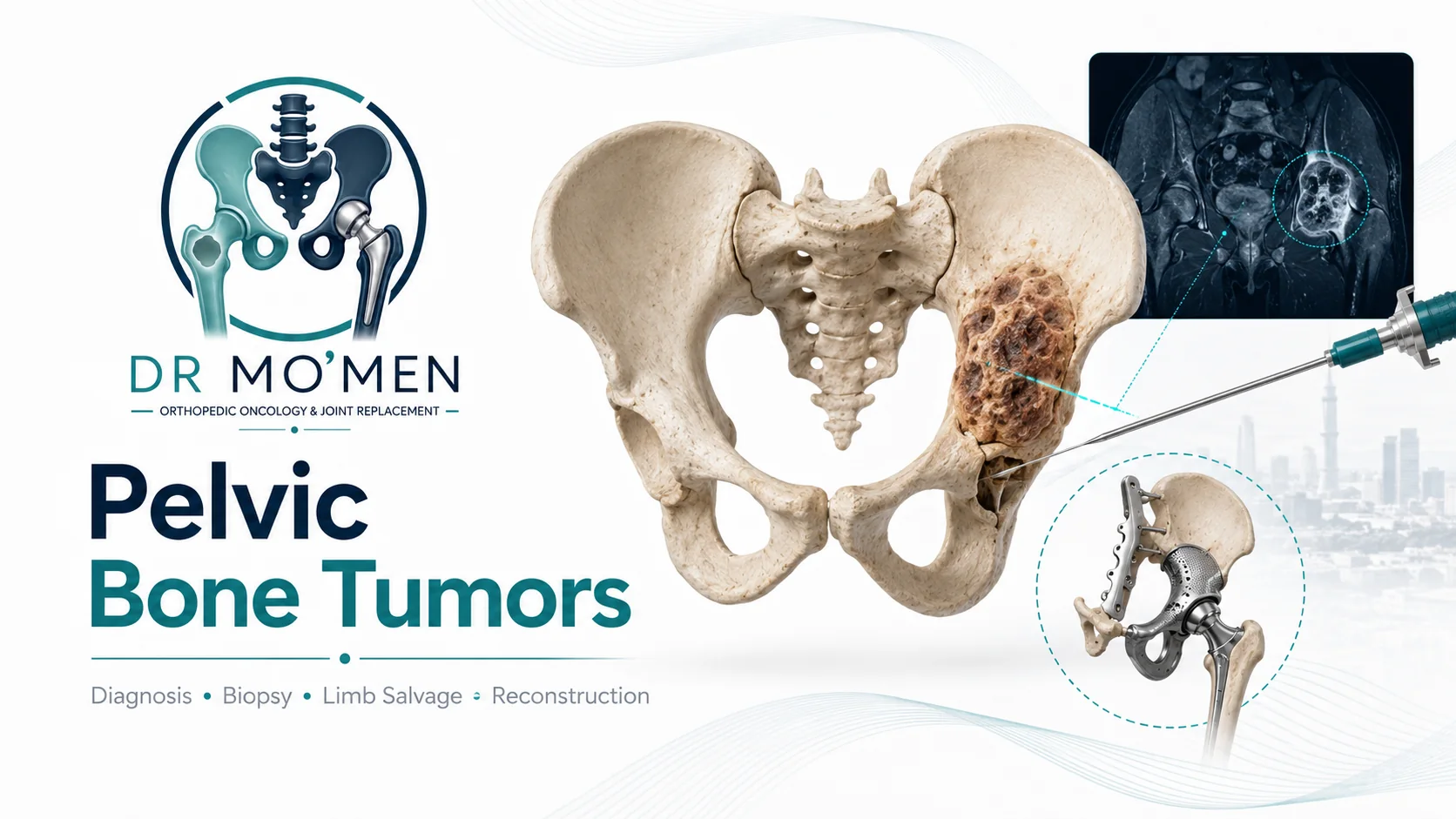
Diagnosis, MRI and CT, planned biopsy, internal hemipelvectomy, limb salvage and pelvic reconstruction options.
Read article →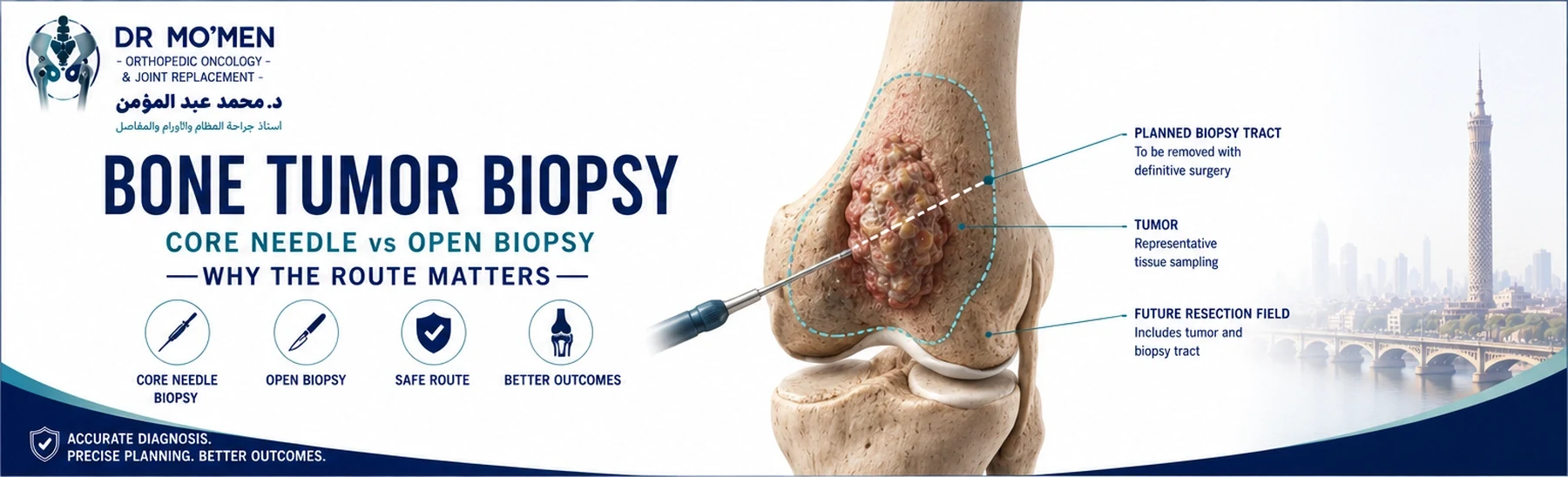
Core needle versus open biopsy, MRI-before-biopsy planning, safe tract selection, pathology correlation and common mistakes to avoid.
Read article →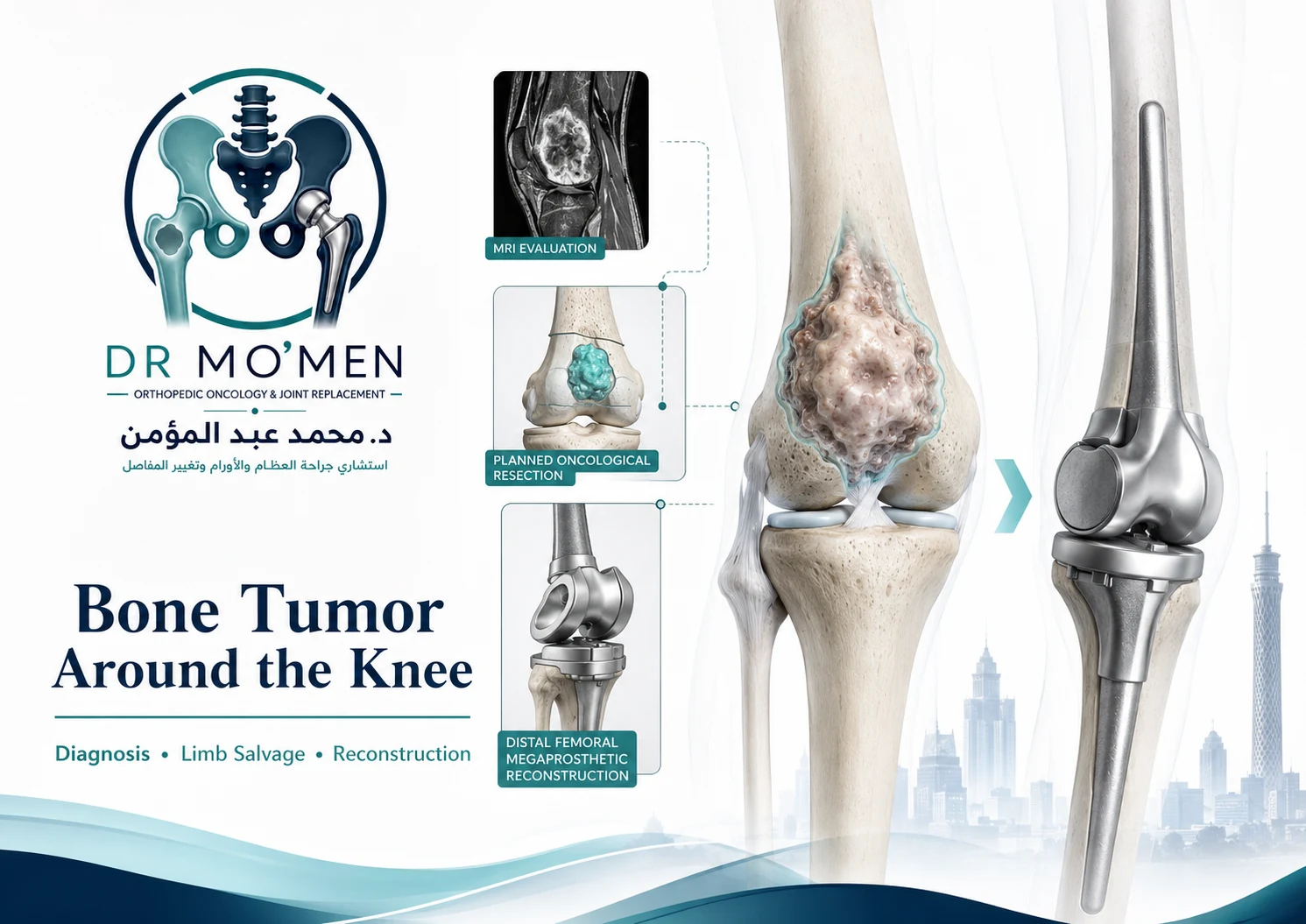
Diagnosis, MRI and biopsy planning, joint preservation, limb salvage and megaprosthetic reconstruction around the knee.
Read article →
Warning signs, MRI-before-biopsy planning, pathology, staging, wide excision, limb salvage and multidisciplinary treatment.
Read article →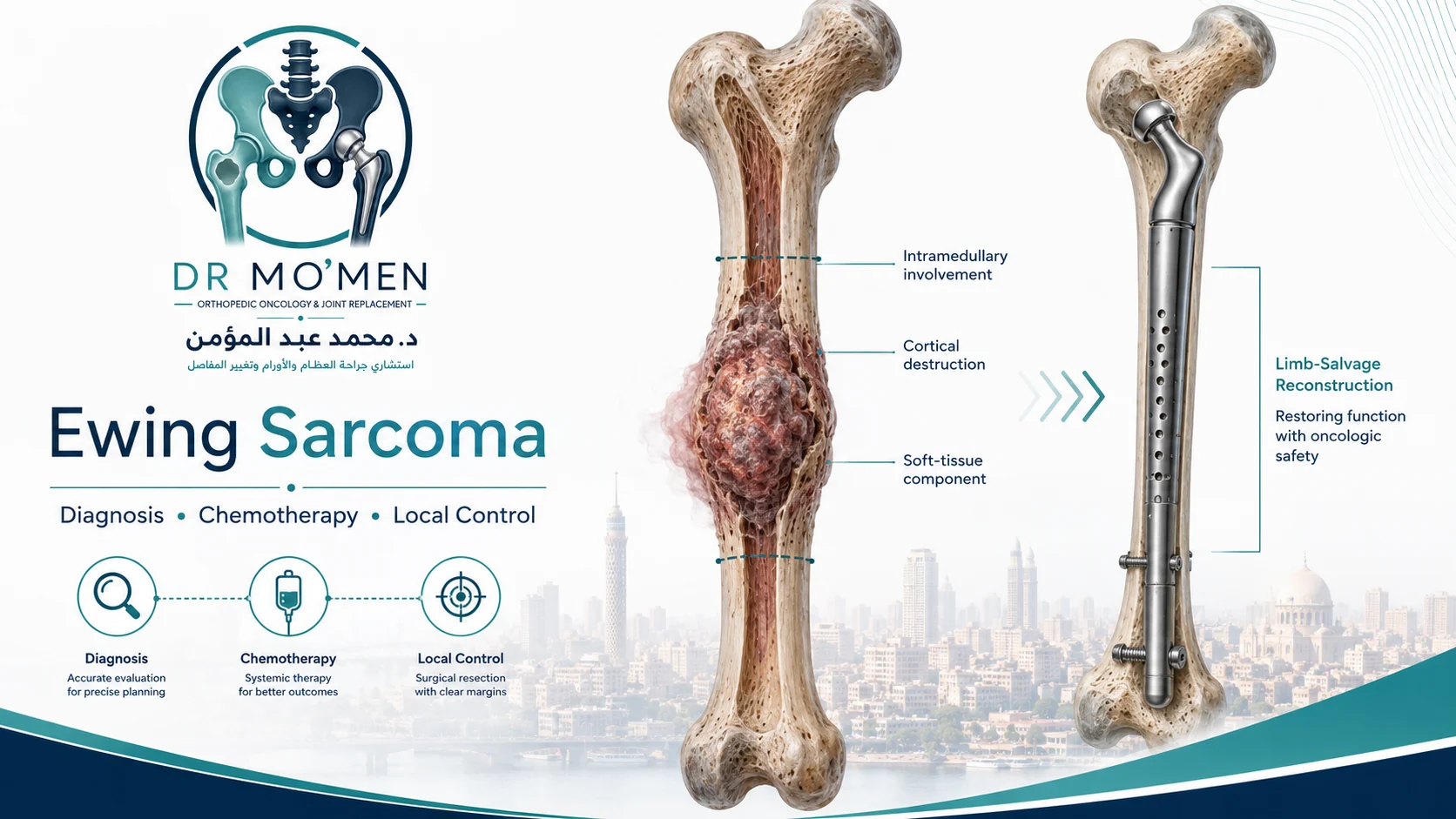
How Ewing sarcoma is diagnosed and staged, why chemotherapy is central, and how surgery or radiotherapy may be selected for local control.
Read article →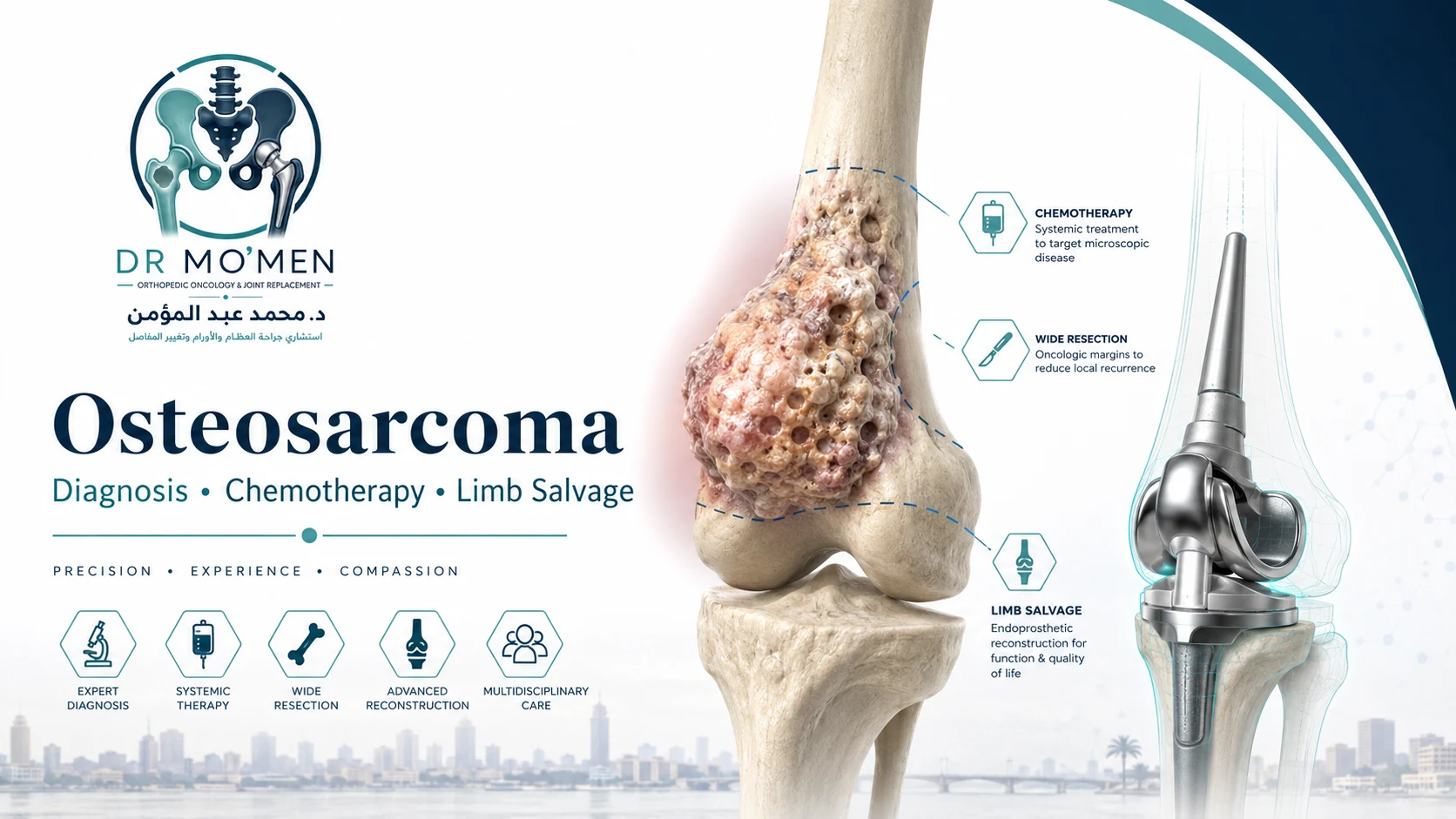
Diagnosis, biopsy planning, staging, chemotherapy, limb-salvage surgery, reconstruction and long-term follow-up.
Read article →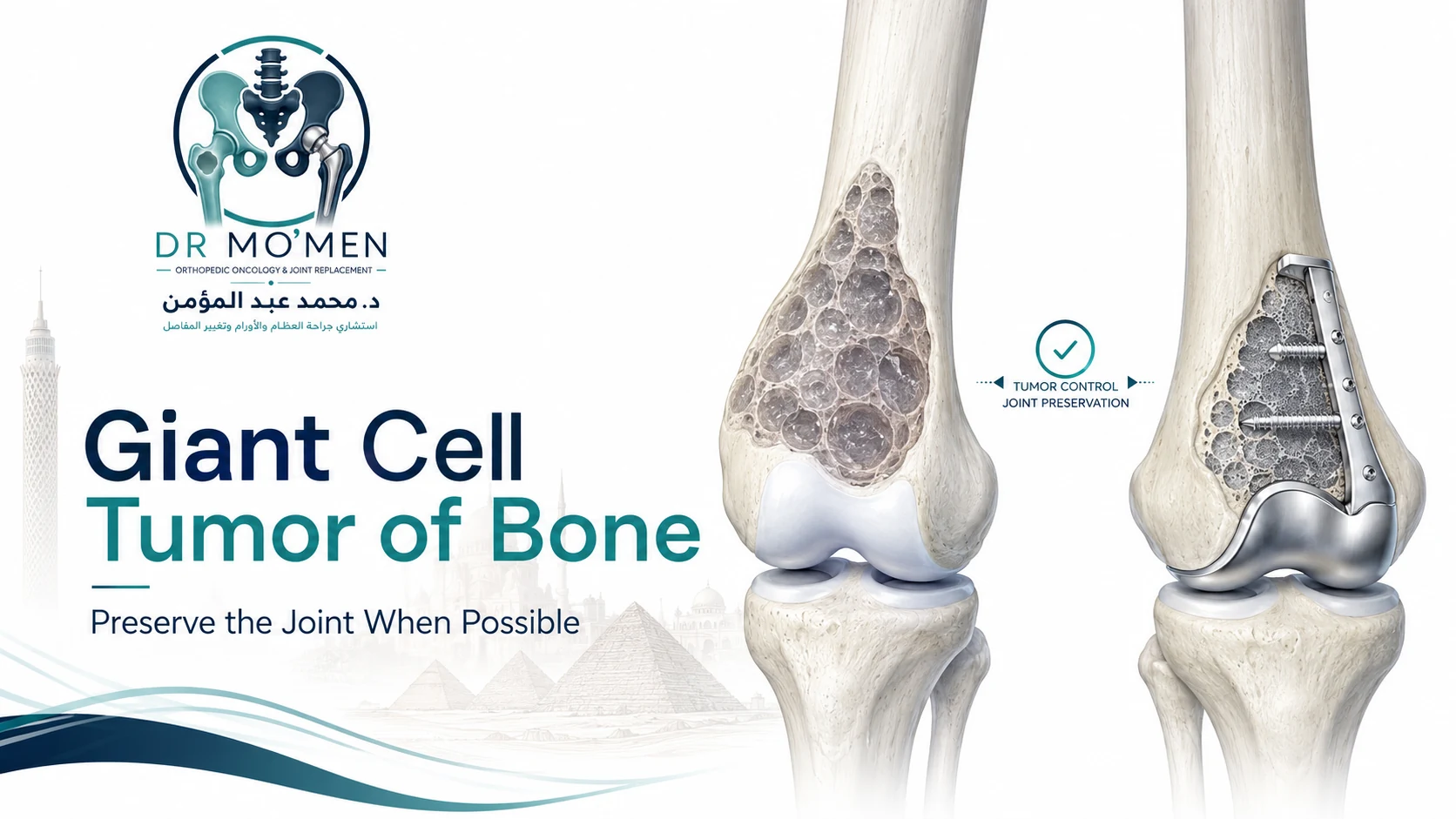
How GCTB is diagnosed, when extended curettage may preserve the native joint, why recurrence occurs, and when wider resection is considered.
Read article →
What should happen after a mass is removed and pathology unexpectedly reports soft-tissue sarcoma: reassessment, MRI, staging and planned definitive treatment.
Read article →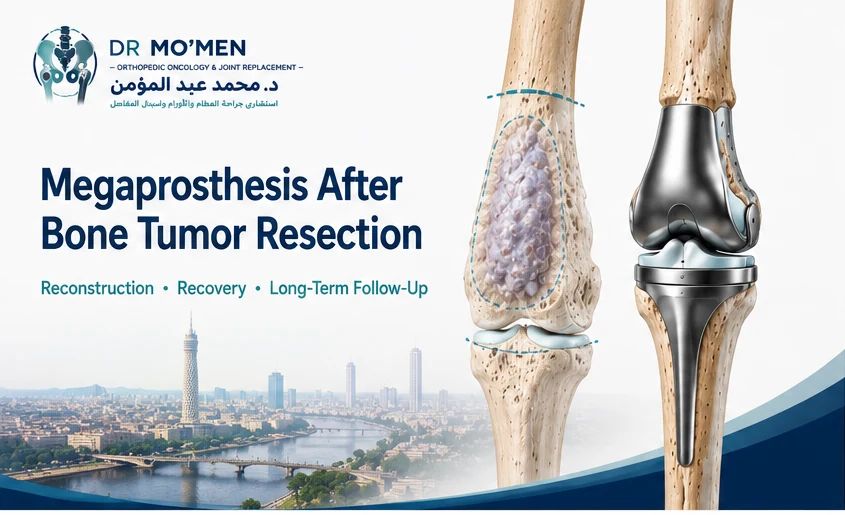
How megaprostheses reconstruct the limb after major bone tumor resection, including recovery, function, complications, revision surgery, and long-term surveillance.
Read article →
What recurrence means, how it is confirmed, why restaging matters, and when repeat limb salvage or second opinion may be appropriate.
Read article →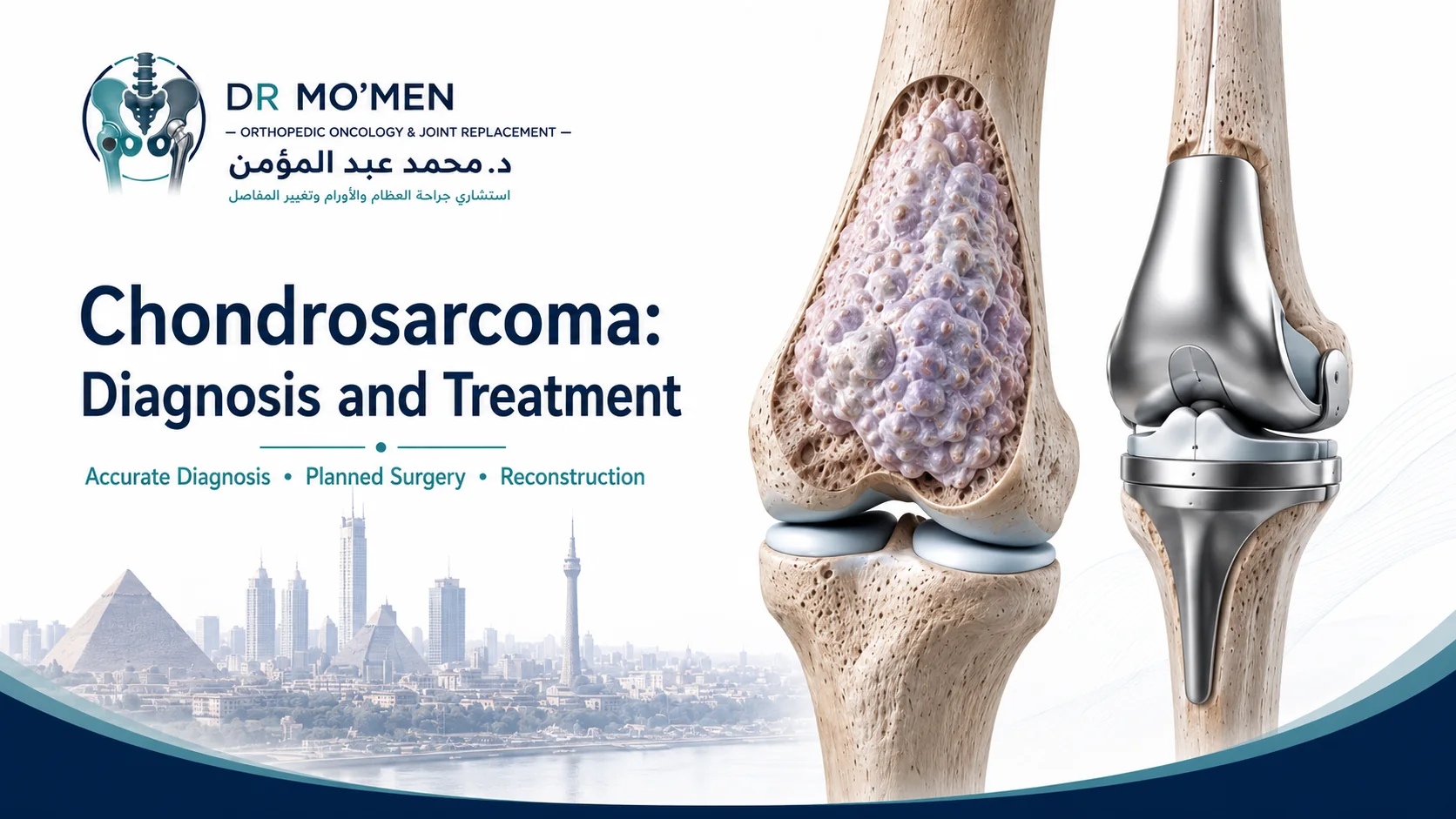
Symptoms, imaging, biopsy planning, tumor grade, surgery, limb salvage, recurrence, and when specialist review is needed.
Read article →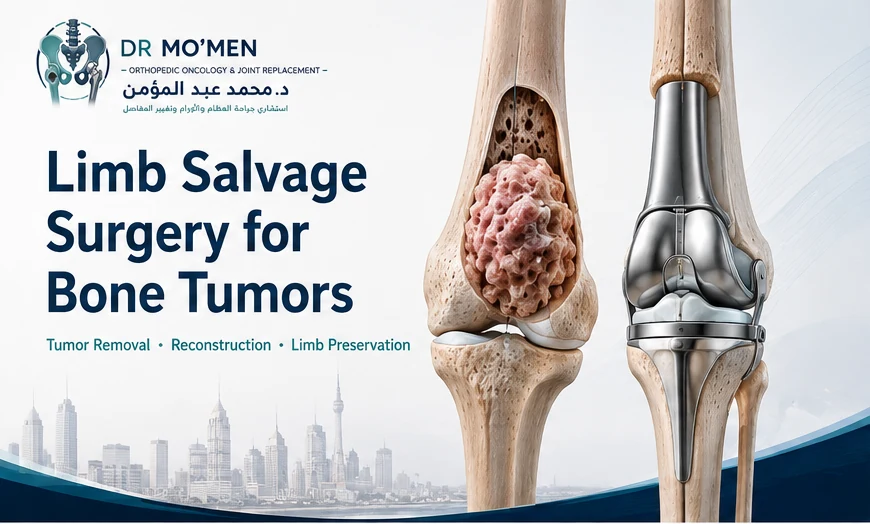
How bone tumors may be removed while preserving the arm or leg, including biopsy planning, wide resection, reconstruction, risks and second opinion timing.
Read article →
Costs, implant choices, travel planning, recovery and specialist review before you fly.
Read article →
Symptoms, diagnosis, nonsurgical care, and when arthroscopic repair may be considered.
Read article →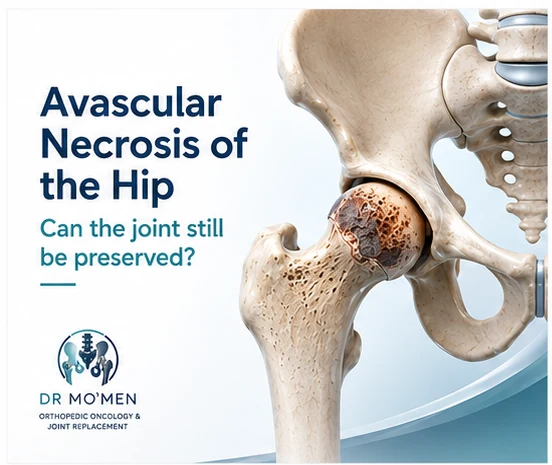
Why MRI stage, femoral-head collapse and cartilage condition guide the choice between core decompression and hip replacement.
Read article →
Why surgeons use a tourniquet, when it may help, and how pressure and inflation time are managed safely.
Read article →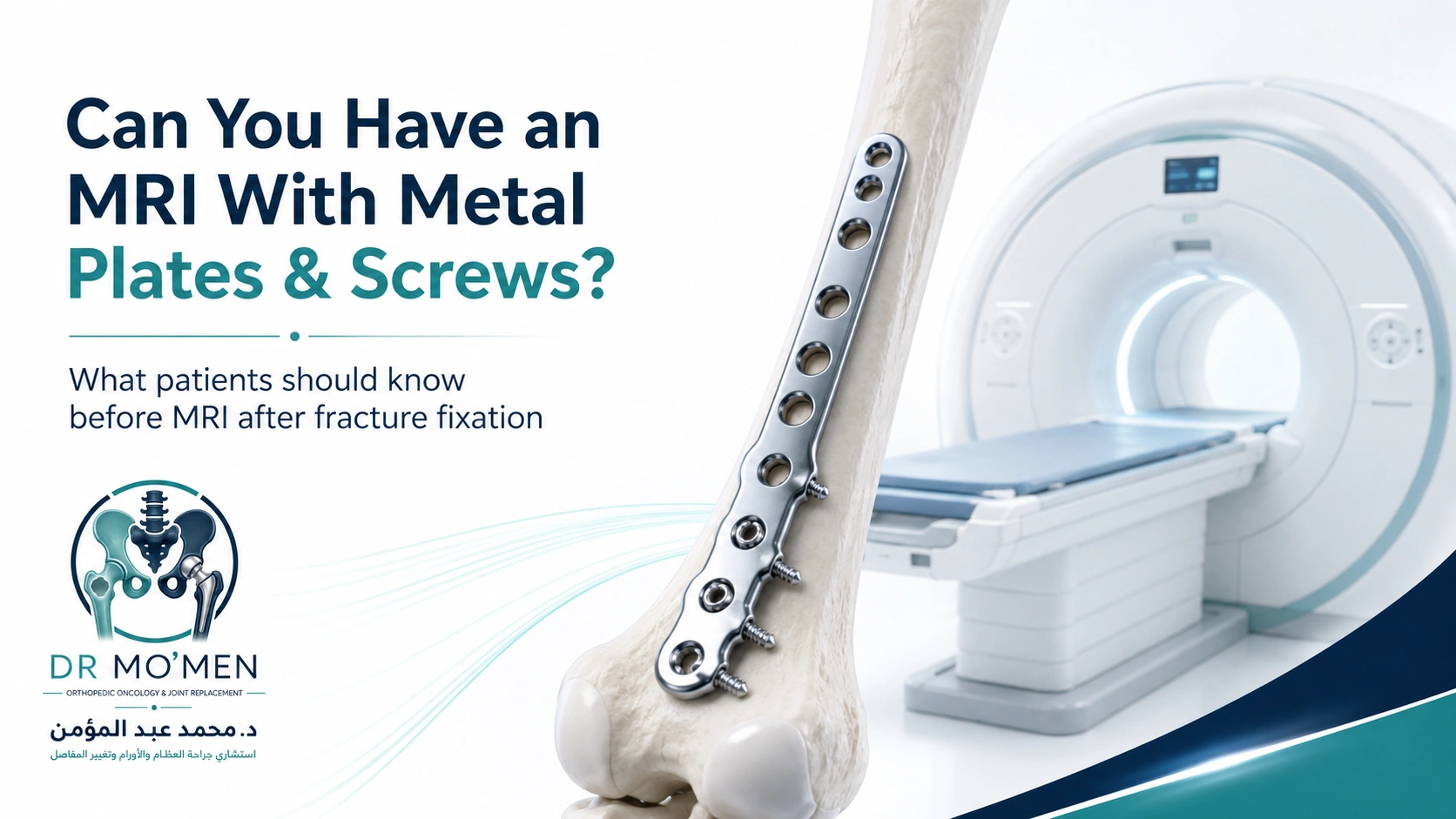
Can you have MRI after fracture fixation? Safety labels, titanium, stainless steel and metal artifact explained.
Read article →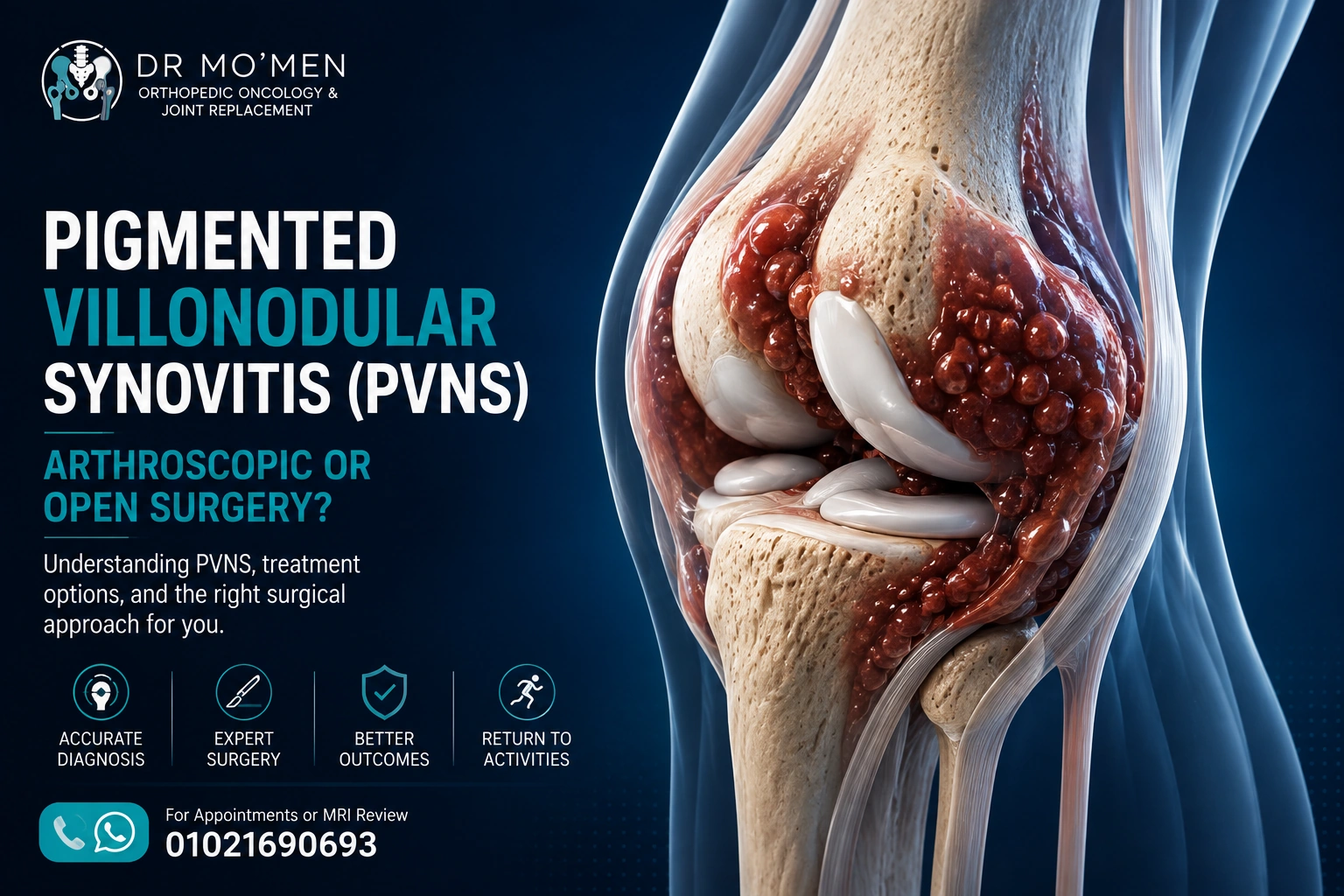
Symptoms, MRI mapping and how disease distribution guides arthroscopic, open or combined synovectomy.
Read article →
Ethics, informed consent, privacy and safer boundaries for medical education and public posting.
Read article →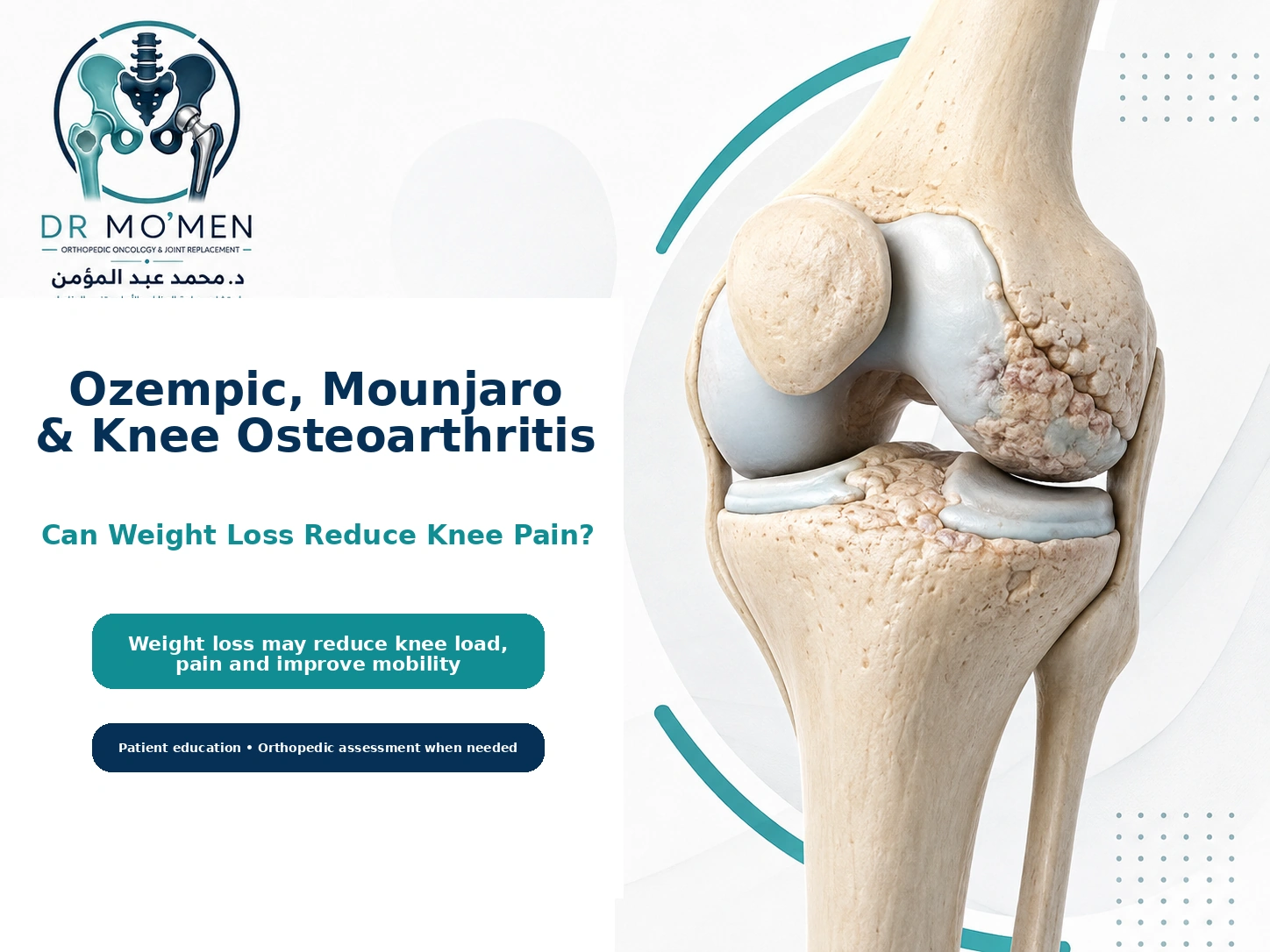
What current evidence says about weight loss, knee pain, GLP-1 therapy and when orthopedic assessment is still needed.
Read article →
How a deep infrascapular lump can cause pain or clicking, how MRI supports diagnosis, and when treatment may be needed.
Read article →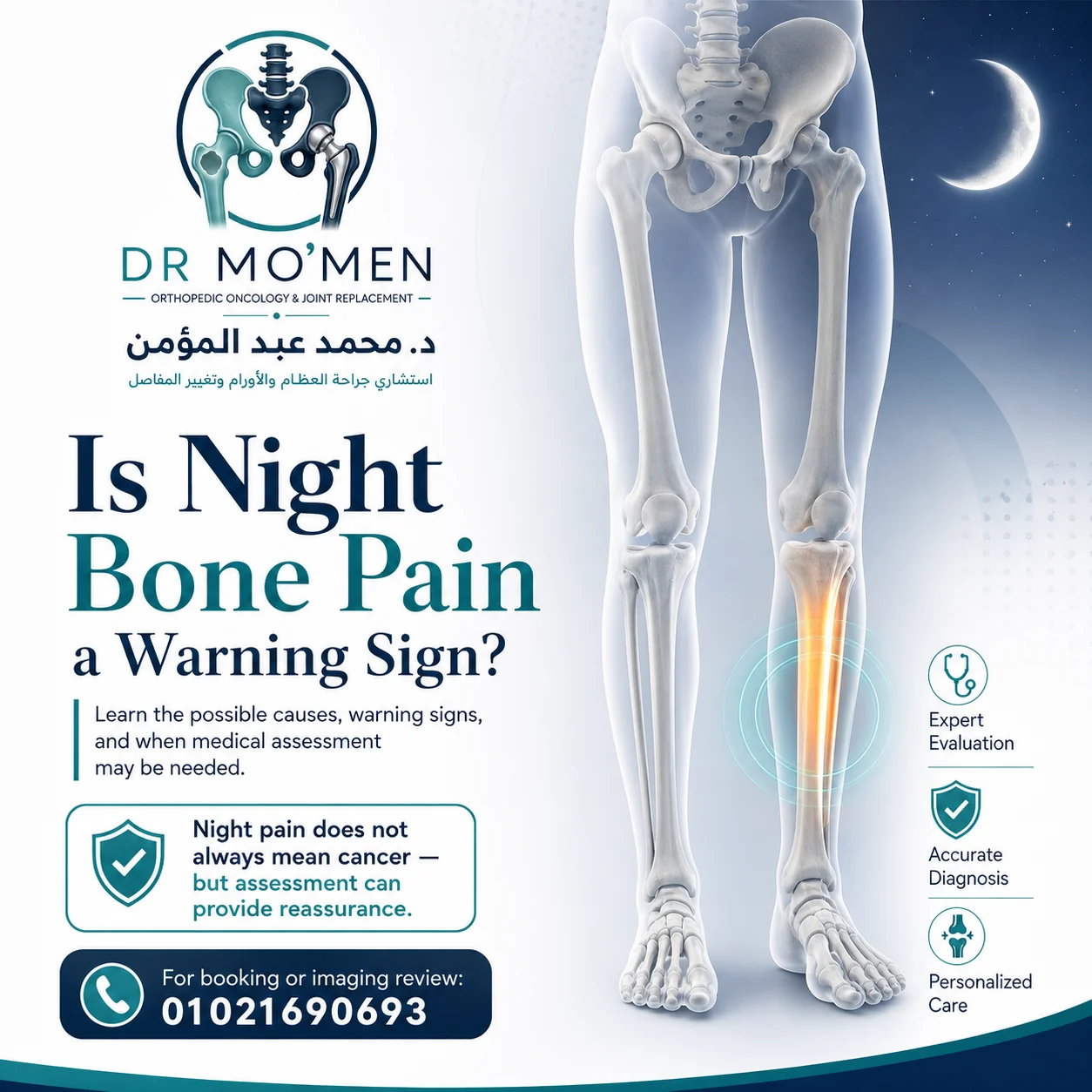
When night bone pain needs assessment, what warning signs matter, and how X-rays or MRI may guide diagnosis.
Read article →
Why early X-rays can look normal, when MRI or CT helps, and when cast treatment or surgery is considered.
Read article →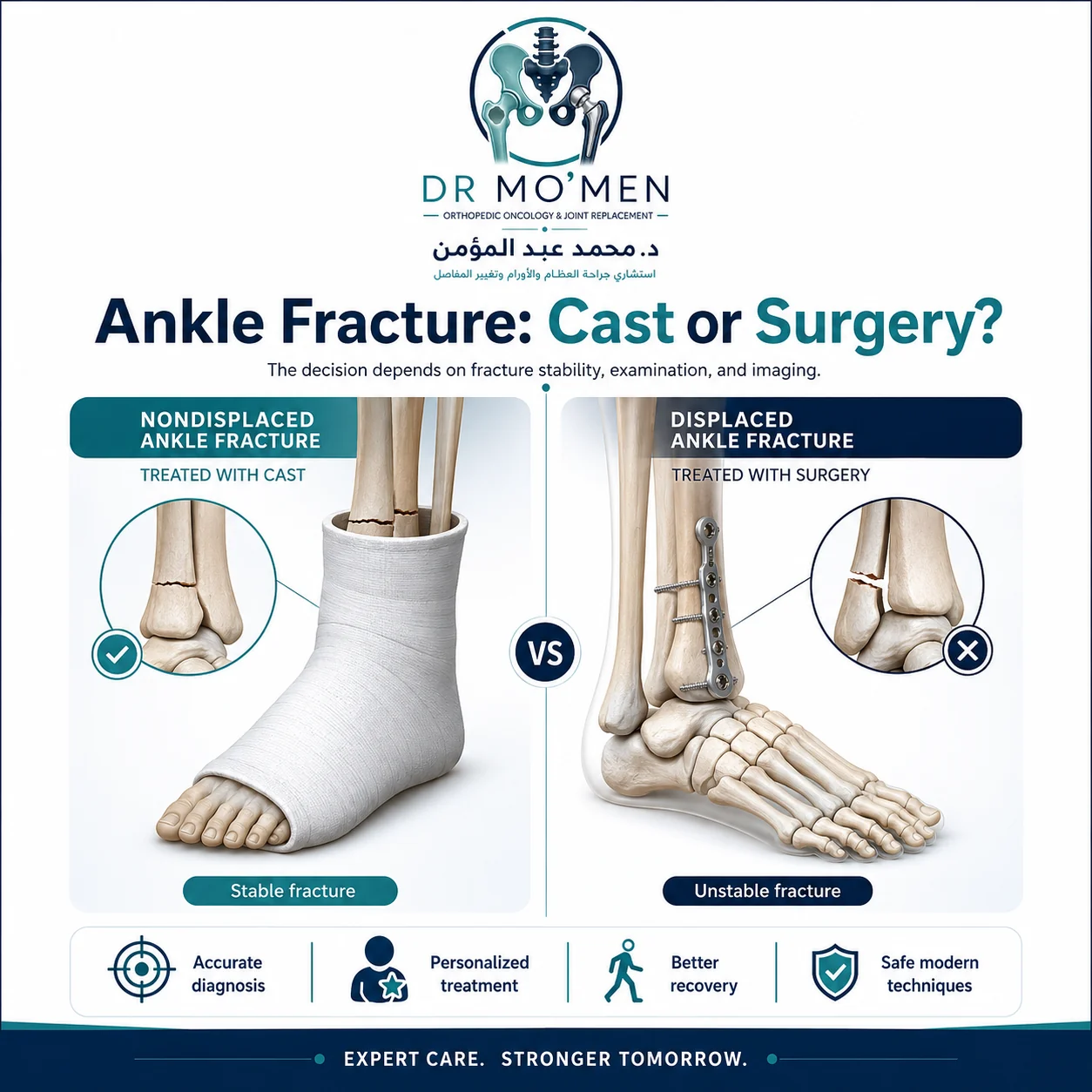
How stability, displacement, X-rays, and soft-tissue injury guide cast, walking boot, or surgery decisions.
Read article →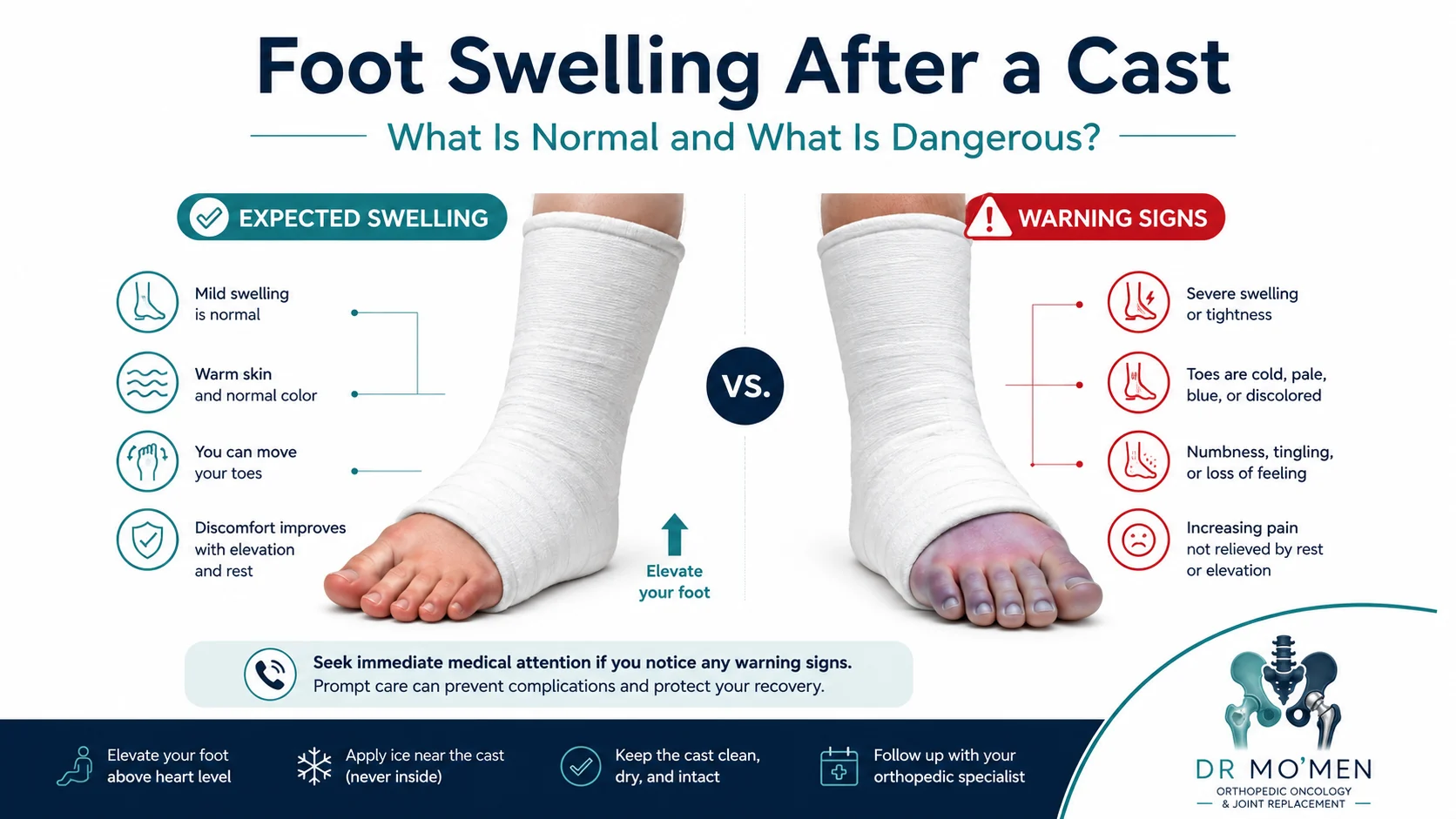
Learn when foot or toe swelling after a cast is expected, and which symptoms need urgent medical assessment.
Read article →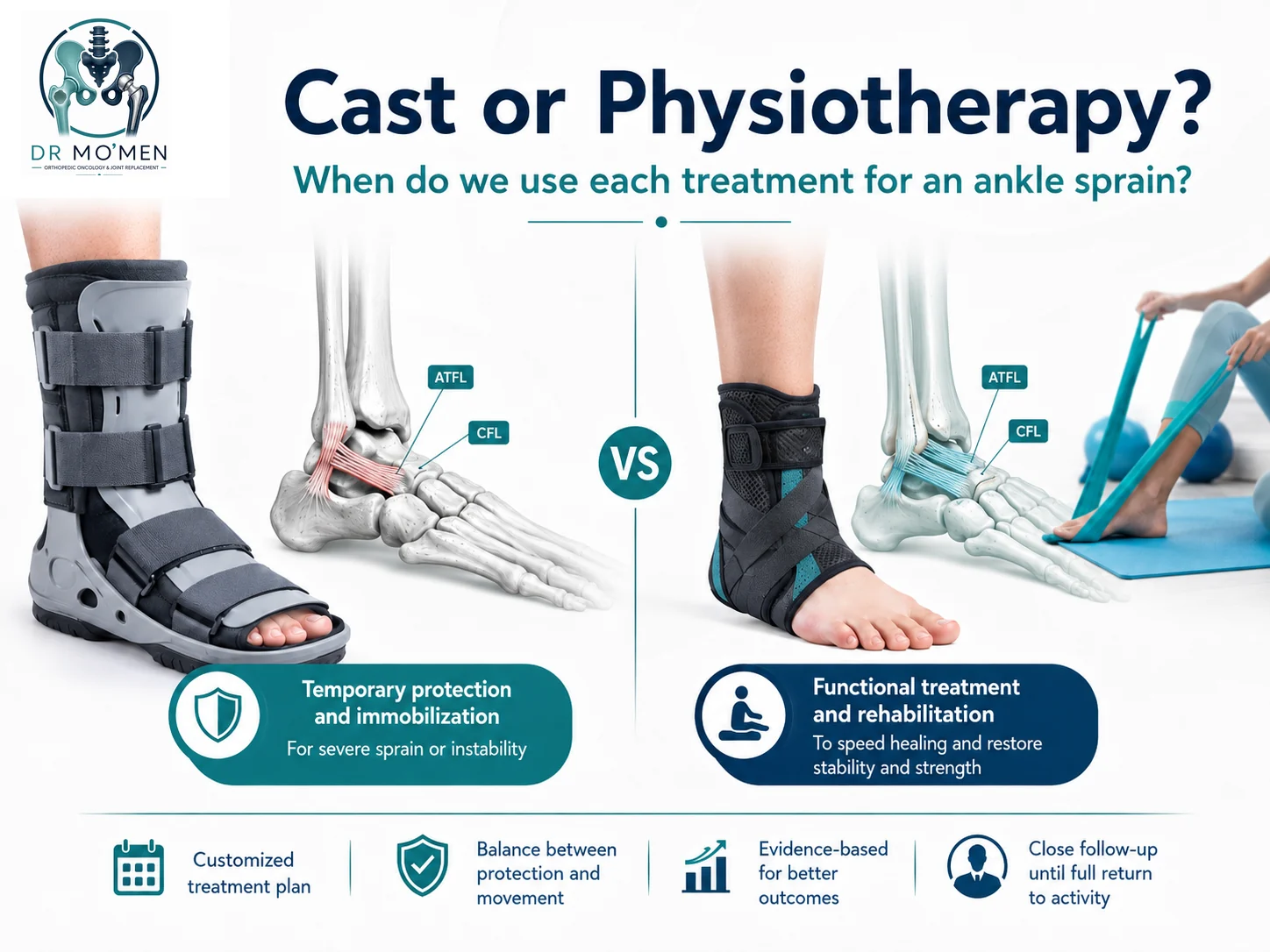
Learn when an ankle sprain needs a brace, physiotherapy, short immobilization, imaging, or specialist assessment.
Read article →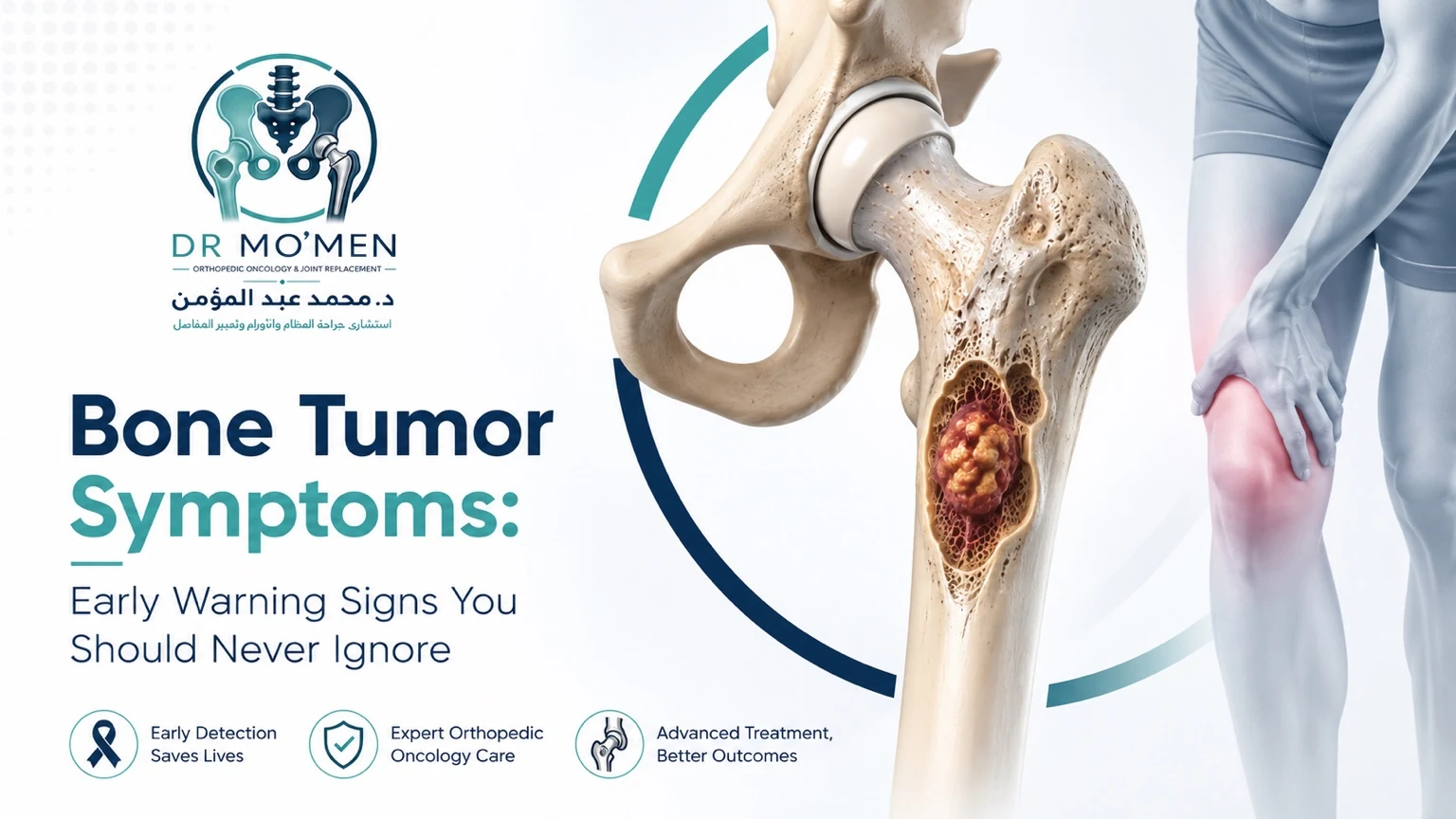
Persistent or progressive bone pain, night pain, swelling, reduced movement, or a fracture after minor trauma may need orthopedic oncology assessment.
Read article →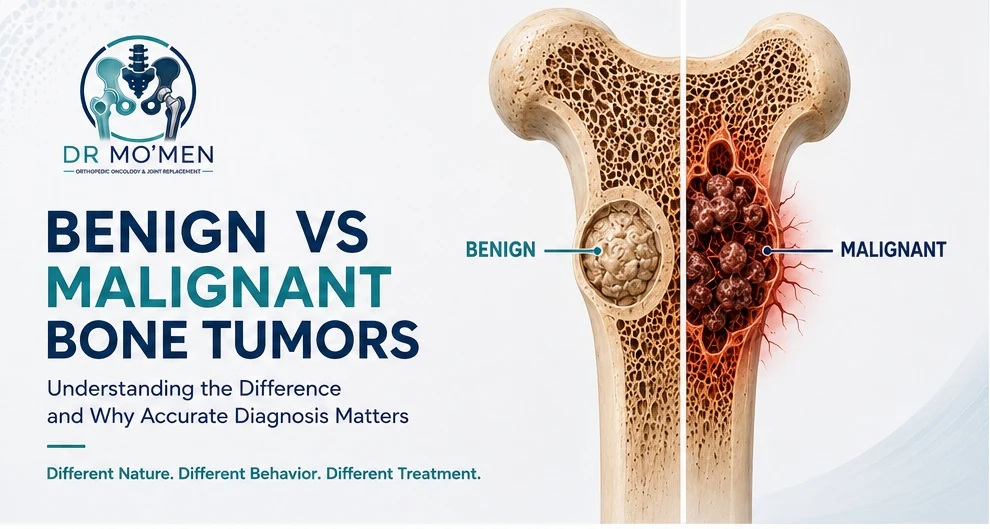
Benign and malignant bone tumors differ in behavior, imaging features, spread, and treatment; accurate diagnosis may require a planned biopsy.
Read article →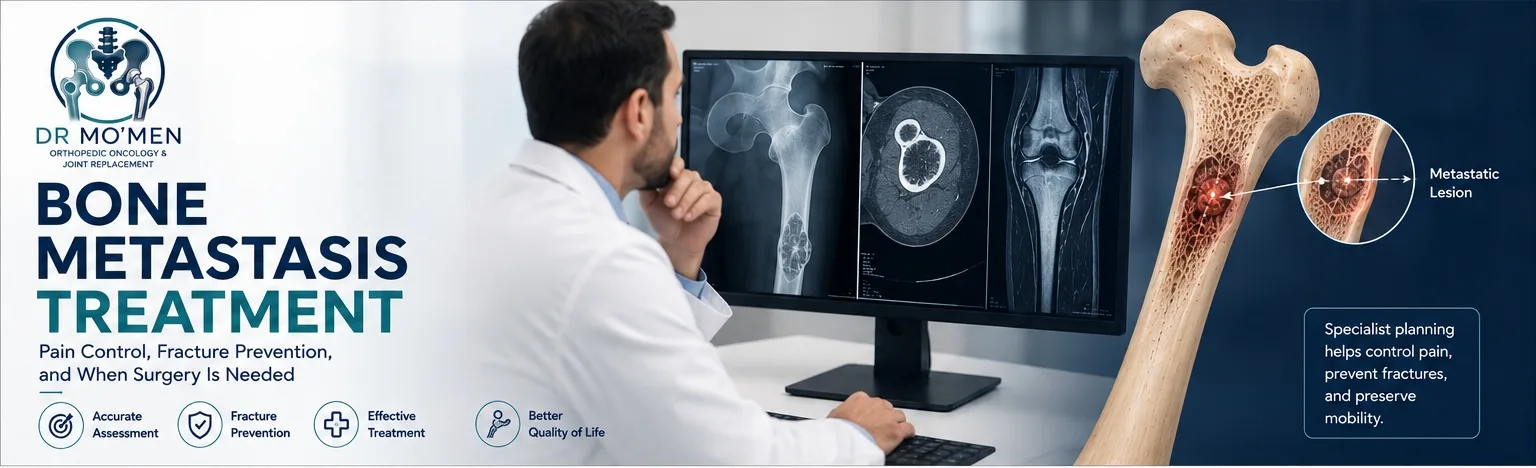
Understand how pain, fracture risk, radiotherapy, systemic treatment, and surgery are coordinated in metastatic bone disease.
Read article →Editorial approach: Articles are written for patient education, medically reviewed, and kept separate from the anonymized Case Library. They do not replace individual clinical assessment.